


Key Points:
• Many children with autism struggle with falling asleep, staying asleep, or returning to sleep after waking.
• ABA sleep strategies can support children in building calmer bedtime routines and more consistent sleep habits.
• A structured approach, visual supports, gradual fading, and reinforcement can improve sleep over time.

For many Utah families, bedtime feels like a daily uphill climb. You settle your child into bed, lights off, and hope for rest, but the minutes stretch into hours. Maybe your child cries or becomes overstimulated. Perhaps they fall asleep at first, only to wake again at 1 a.m. and refuse to settle. Sleep deprivation affects the whole household, not only a child with autism. Parents search endlessly for answers, often exhausted and unsure where to begin.
This article explores how ABA-based bedtime strategies can help families better navigate nighttime challenges. When understood and applied correctly, behavior-focused sleep support can lead to calmer evenings, fewer battles, and improved rest for everyone.
Understanding Why Sleep is Hard for Children with Autism
Many children on the spectrum experience sensory, communication, and regulation differences that can disrupt sleep. Some find it difficult to unwind after stimulation. Others have trouble understanding bedtime expectations. Some may resist transitions or struggle with anxiety about separation.
Common autism-related sleep struggles include:
- Difficulty falling asleep
- Night waking
- Early waking
- Sleep schedule reversal (asleep late, awake early)
- Difficulty returning to bed after waking
A study published in the American Academy of Pediatrics reported that sleep disruptions affect 40 to 80 percent of children with autism. These challenges may improve with structured environmental and behavioral support, especially when changes are gradual, predictable, and reinforced consistently.
Autism Sleep Problems: How They Affect Families
Autism sleep problems do not happen in isolation. Children who sleep inconsistently often experience daytime fatigue, irritability, reduced attention, and increased sensory overwhelm. Parents may find it hard to function at work, maintain routines, or stay emotionally regulated themselves.
Even though sleep struggles may feel like part of your everyday life, they do not have to stay permanent. With ABA-informed strategies, bedtime can shift from a nightly battle into a manageable rhythm.
Establishing a Bedtime Routine That Works
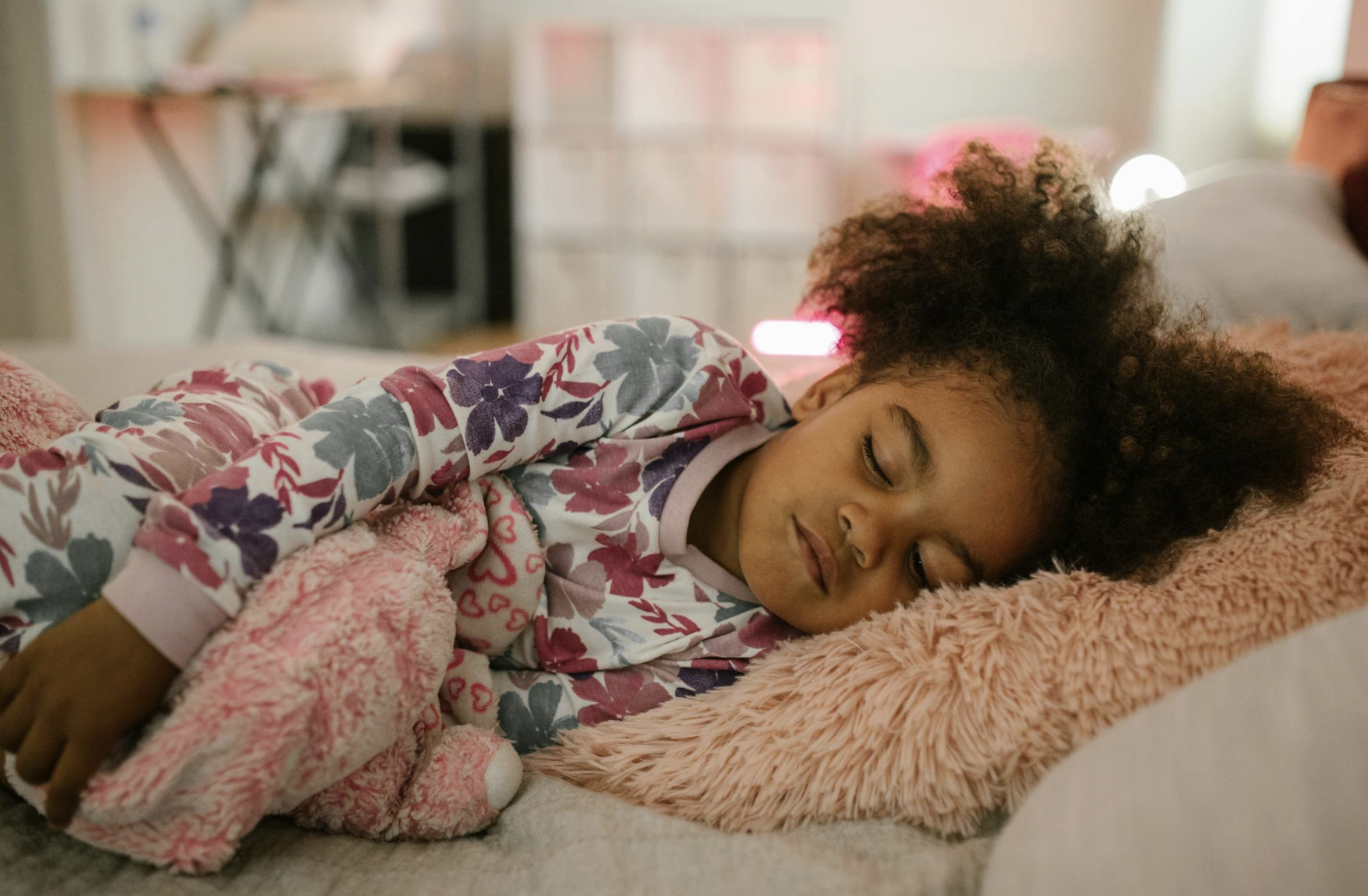
A solid bedtime routine is one of the strongest tools for improving sleep. Children with autism often thrive with predictability. When bedtime looks and feels the same each night, anxiety decreases, and expectations become clearer.
Consider building a routine that is simple, short, and repeatable. For example:
- Bath
- Pajamas
- Teeth brushing
- Book
- Goodnight ritual
Keep these steps consistent and avoid last-minute surprises. A predictable bedtime routine autism plan allows your child to move into rest more smoothly because their brain knows what to expect.
Using ABA Sleep Strategies at Home
ABA sleep strategies help children learn bedtime skills one step at a time. Instead of expecting complete change overnight, ABA focuses on reinforcing small progress and building long-term success.
Helpful ABA-based approaches include:
- Gradual Fading: Reduce parental presence slowly. If you currently sit with your child until they sleep, move farther away each night until they can fall asleep more independently.
- Reinforcement: Praise or reward calm behavior, staying in bed, or using coping skills. Reinforcement makes it more likely your child will repeat the behavior.
- Task Analysis: Break bedtime into smaller teachable steps, especially for children who find transitions difficult.
With time and repetition, these ABA sleep strategies can help children adopt habits that support longer, more peaceful sleep.
 Creating an Autism-Friendly Sleep Environment
Environmental factors can either relax or overstimulate a child. Some children benefit from complete darkness. Others feel safer with dim lighting. Some prefer weighted blankets, white noise, or a familiar toy. Observe your child’s comfort preferences and adjust gradually.
You may try:
- Blackout curtains
- White noise machine
- Soft, non-patterned bedding
- Limited bedroom clutter
- Temperature set slightly cool
An ideal sleep space should feel calm, comfortable, and predictable. If your child associates their room with rest instead of play, their brain begins linking that environment to sleep readiness.
Helping a Night-Waking Autistic Child Return to Sleep
Night waking is one of the most exhausting sleep challenges for parents. A night-waking autistic child often struggles to transition back to sleep without help. They may leave the room, seek sensory input, or request screen time.
ABA can support nighttime return-to-sleep strategies by:
- Keeping interactions low-stimulation
- Reinforcing quiet return to bed
- Avoiding reinforcing long wake periods with play or attention
- Using minimal speech while still maintaining warmth and presence
The goal is to show that nighttime means rest, not play or extended attention. This may take time and patience, but children often improve when responses are consistent.
The Power of Visual Supports for Sleep
Visual supports reduce confusion and provide structure. Many children with autism respond well to visual information. A bedtime chart or picture schedule can clarify each step and build independence.
Ideas for visual tools:
- Photos of bedtime steps
- Velcro schedule pieces that your child can remove as completed
- Visual lights-out timer
- Sleep rules poster using simple images
Visual tools reduce verbal prompting and help children internalize routine.
 Gentle Behavior Shaping for Bedtime Cooperation
 Gentle Behavior Shaping for Bedtime Cooperation
If your child resists bedtime, consider shaping cooperation gradually. Instead of expecting full participation immediately, reward partial success. For example, if your child hates brushing teeth, reinforce just approaching the sink for the first few nights. Then reinforce picking up the toothbrush. Build success before increasing expectations.
This gradual shaping approach aligns with ABA principles of progress through achievable steps. Parents often see more cooperation when pressure is reduced, and encouragement rises.
Supporting Sensory Needs at Night
Sensory needs vary widely. Some children crave pressure or warmth to settle. Others need movement before calming. Some avoid textures or sounds that seem insignificant to adults. Observe patterns and build sensory regulation into bedtime rather than fighting against it.
Sensory supports may include:
- Deep pressure (hugs, blankets, compression pajamas)
- Calm movement before lights-out such as slow rocking
- Low-stimulation activities like drawing or stretching
- Avoiding loud or bright electronics near bedtime
Meeting sensory needs early prevents overstimulation and improves relaxation once the lights go out.
When Sleep Training Progress Feels Slow
Change rarely happens instantly. Some families see improvement within weeks, while others need more time. Backtracking is normal during illness, travel, or emotional stress. Progress grows strongest when routines remain consistent through hard nights.
Instead of judging success by one bedtime, look for long-term trends:
- Falling asleep more quickly over time
- Fewer nighttime wakeups
- Improved morning mood
- Increased independence with routines
If progress stalls, modify one factor at a time to identify what helps or hinders sleep.
 Encouraging the Whole Household to Rest Easier
 Encouraging the Whole Household to Rest Easier
Better sleep restores more than nighttime peace. It supports emotional regulation, cognitive growth, communication, and daytime learning. A rested child has more capacity for connection and development. A rested parent has more patience and clarity to support their child.
Many families in Utah find relief through structured ABA-based support, especially when facing persistent bedtime challenges. Sleep is not simply a medical function. It is a behavior that can be taught, strengthened, and supported.
A Rested Tomorrow Awaits
If bedtime exhaustion has become your daily reality, know that change is possible. Sleep is not always easy for neurodivergent children, especially those who face communication and sensory differences. Yet with structured routines, visual supports, ABA sleep strategies, and responsive guidance, many families begin to see real improvement. Progress may start small, but each win builds toward a more peaceful night.
Better sleep begins with a plan, and Acclimate ABA can help you build it. If your family wants support using ABA sleep strategies or guidance on autism-related bedtime habits, now is the right time to take a step forward. Acclimate ABA provides ABA therapy in Utah, helping families create consistent routines, improve sleep readiness, and support children in building skills that last.
Reach out, ask questions, and learn how personalized ABA therapy in Utah can support calmer bedtimes and brighter mornings ahead.

