

Key Points:
- Anxiety is common in autistic children and can interfere with daily life and learning.
- ABA strategies help teach coping skills and behavior strategies to reduce worry in autistic children.
- Parents can reinforce ABA techniques at home to create predictable routines and safe responses to anxiety triggers.

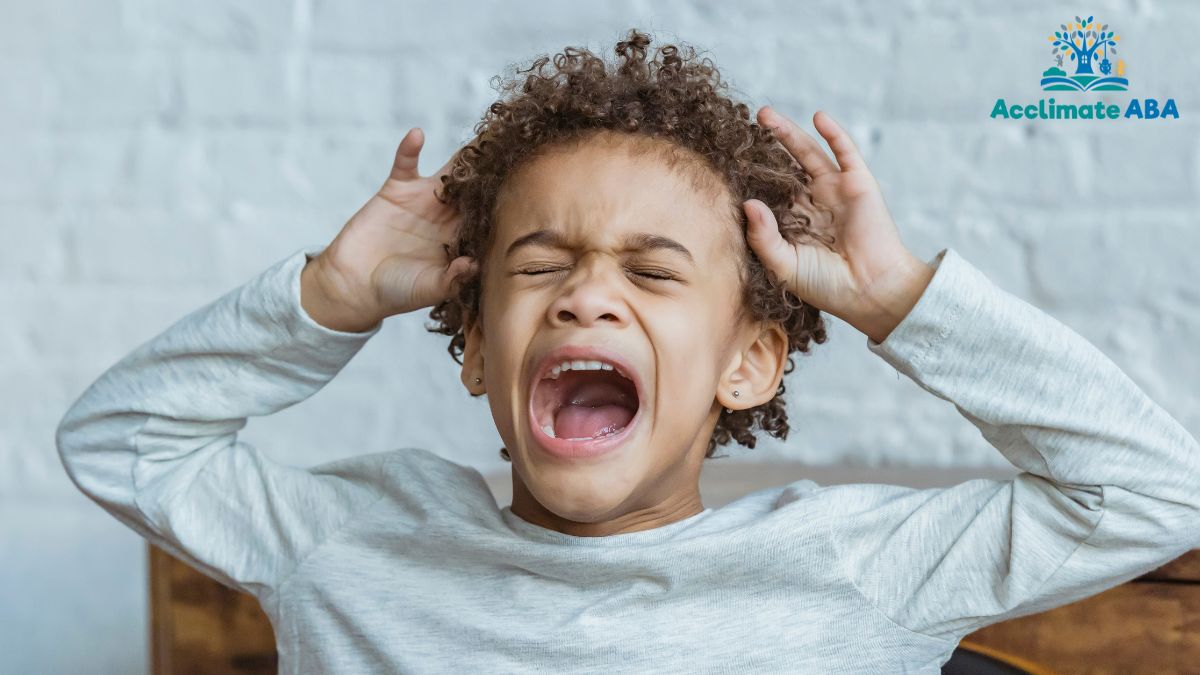
Many autistic children experience heightened anxiety. Everyday situations, sensory experiences, or changes in routine can spark worry in autistic children. Anxiety may show as resistance to change, repetitive questioning, or intense focus on potential negative outcomes. Understanding the interplay between autism and anxiety is the first step toward effective intervention.
How Anxiety Manifests in Autistic Children
Worry in autistic children often looks different than that in neurotypical peers. They may fixate on “what if” scenarios, become easily frustrated by uncertainty, or engage in repetitive behaviors to self-soothe. Physical signs can include restlessness, stomachaches, or difficulty sleeping. Recognizing these signs early allows caregivers to intervene before anxiety escalates.
Why ABA Works for Anxiety
ABA for anxiety is effective because it breaks down overwhelming emotions into teachable skills. Using structured behavioral interventions, therapists can teach coping skills and behavior strategies that help children manage worry, tolerate uncertainty, and gradually face feared situations. ABA emphasizes measurable progress and individualized approaches.
Autism and Anxiety
When addressing autism and anxiety, interventions often target both the behavior and the underlying thought patterns that fuel worry. Techniques such as exposure hierarchies, reinforcement of calm behaviors, and social scripts allow children to navigate anxious situations with increasing independence.

Teaching Coping Skills Through ABA
ABA therapy introduces coping skills and behavior strategies in small, manageable steps. These may include deep breathing, requesting breaks, using visual supports, or practicing self-talk to challenge anxious thoughts. Children learn to identify triggers and implement coping strategies with guided practice and reinforcement.
Using Visual Supports and Predictable Routines
Visual schedules, timers, and social stories can reduce uncertainty and provide predictability for children with anxiety. Structured routines give a sense of control, helping reduce the frequency and intensity of worry in autistic children.
Exposure and Desensitization Techniques
Gradual exposure to anxiety-provoking situations is a cornerstone of ABA for anxiety. Starting with low-intensity scenarios, children learn to face fears while receiving reinforcement for coping successfully. Over time, these exposures build resilience and reduce overall anxiety.
Parental Involvement and Reinforcement at Home
Parents can support progress by reinforcing ABA strategies outside therapy sessions. Using consistent language, practicing coping skills, and acknowledging small successes strengthen skill generalization. Parent involvement is critical for helping children apply learned strategies in real-world settings.
Modeling and Social Learning
Children often learn coping strategies by observing adults and peers. ABA incorporates modeling appropriate responses to anxiety and guided practice in social contexts. This approach helps children internalize effective strategies and gain confidence in handling stress.

Monitoring Progress and Adjusting Strategies
ABA therapy involves ongoing data collection and analysis. Therapists track how well coping strategies are implemented and their impact on worry in autistic children. Adjustments to reinforcement schedules or skill targets are made to ensure continued growth and reduced anxiety.
Combining ABA With Other Supports
While ABA is highly effective for anxiety, some children benefit from complementary supports such as occupational therapy for sensory regulation or counseling for emotional processing. Integrating supports ensures a comprehensive approach to autism and anxiety.
Creating Safe Spaces for Practice
A safe, predictable environment allows children to experiment with coping strategies without fear of judgment. At home, this could mean a designated calming corner or structured break times where children practice self-soothing behaviors learned in ABA sessions.
Celebrating Small Wins
Progress may be gradual. Celebrating small successes, like calmly waiting for a turn or tolerating a minor change in routine, reinforces skill acquisition. Positive reinforcement builds confidence and encourages continued use of coping skills.
Supporting Independence and Emotional Regulation
As children learn to manage anxiety, they gain autonomy and confidence. ABA equips children with practical tools to regulate emotions, navigate uncertainty, and engage more fully in school, social, and home environments.
 Empowering Children to Manage Anxiety
 Empowering Children to Manage Anxiety
Anxiety can significantly impact the daily lives of autistic children. ABA for anxiety provides structured strategies to reduce worry in autistic children and build coping skills and behavior strategies. With consistent practice, visual supports, and parental involvement, children learn to manage fears and “what if” thoughts, fostering independence and emotional resilience.
Help your child manage anxiety and develop effective coping strategies through structured ABA support. Acclimate ABA offers ABA therapy in Utah focused on teaching coping skills behavior strategies, reducing worry in autistic children, and building confidence. Acclimate ABA can start helping your child navigate anxiety with skill and independence. Contact us to get started!

