


Key Points:
- Sibling relationships in autism can be complex due to communication differences, unique play styles, and unequal attention, often leading to sibling jealousy.
- ABA family strategies and structured activities can teach emotional regulation, social skills, and problem-solving, fostering positive interactions and empathy between siblings.
- Helping siblings understand autism through age-appropriate explanations, validation, and guided support strengthens connections and creates a more harmonious, supportive family environment.
Why Siblings with Autism May Struggle to Connect
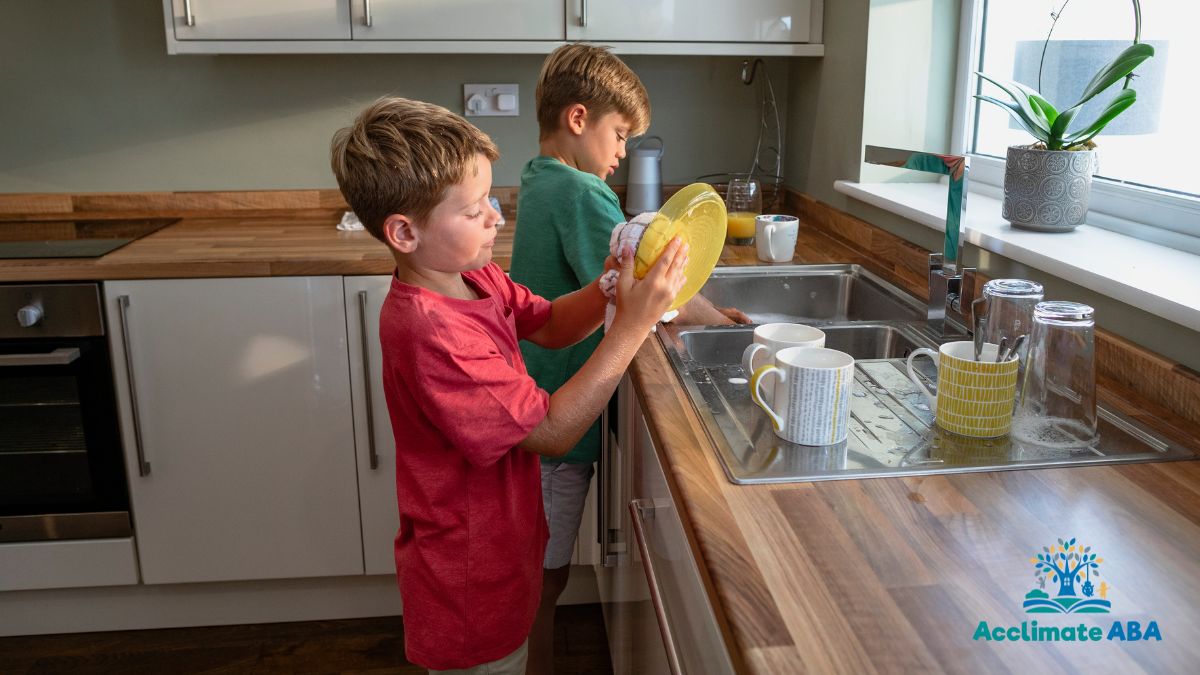
Sibling relationships can be challenging in any family, but when one child has autism, these relationships often come with unique complexities.
Differences in communication, social understanding, and play styles can make connecting more difficult, while neurotypical siblings may struggle with feelings of jealousy, responsibility, or frustration. With the right strategies, including parent guidance, ABA family strategies, and open communication, families can foster stronger sibling bonds, reduce conflict, and create supportive environments for both children.
Autistic children often experience the world differently, which can make typical sibling bonding more challenging. Key factors include:
- Communication Gaps: Autistic children may communicate in ways that are harder for neurotypical siblings to understand, and vice versa. Misunderstandings can lead to frustration or emotional distance.
- Different Play Styles & Interests: Difficulties with imaginative play, taking turns, or sharing make cooperative activities harder, reducing natural opportunities for bonding.
- Behavioral Differences: Meltdowns, sensory sensitivities, or repetitive behaviors can disrupt play or scare neurotypical siblings who don’t know how to respond.
- Unequal Attention: Parents may focus more on the autistic child’s needs, leading neurotypical siblings to feel overlooked, jealous, or resentful.
- Role Confusion: Older or neurotypical siblings may take on caregiving roles, which can feel burdensome and alter the balance in the relationship.
- Social Stigma: Misunderstandings about autism among peers can cause embarrassment, further complicating sibling interactions.
These factors can lead to emotional distance, passive connections, and a mix of complex feelings such as love, guilt, frustration, and confusion.
Why Sibling Jealousy Happens
Sibling jealousy autism often arises because neurotypical children may feel that:
- The autistic sibling receives more attention, therapy time, or accommodations.
- They are unfairly expected to assist or care for the autistic sibling.
- Their needs and achievements are overshadowed, leading to feelings of neglect or resentment.
On the other side, autistic children may struggle to show affection or respond in ways that feel typical, unintentionally reinforcing emotional distance.
How ABA Family Strategies Help Sibling Relationships & Family Dynamics
Applied Behavior Analysis (ABA) therapy is commonly used to support autistic children, but family-centered ABA strategies can also help improve sibling relationships. Key approaches include:
1. Emotional Regulation
Teach all children to identify and manage emotions like frustration, jealousy, or anger before conflicts escalate. Techniques include deep breathing, quiet spaces, and calm-down routines.
2. Communication Skills
ABA uses tools like visual schedules, PECS (Picture Exchange Communication System), and role-playing to improve understanding between siblings. This helps neurotypical siblings interpret the autistic child’s needs and encourages the autistic child to express themselves.
3. Positive Reinforcement
Praise and reward positive interactions between siblings. For example, when they share toys or take turns, reinforcement helps these behaviors repeat naturally.
4. Structured Shared Activities
Planned activities, such as cooperative games or joint projects, provide safe opportunities for bonding while teaching cooperation and problem-solving.
5. Involving Siblings in Therapy
Including neurotypical siblings in therapy sessions can teach them advocacy skills, show the value of teamwork, and validate their supportive role in the family.
6. One-on-One Attention
Ensuring neurotypical siblings get dedicated attention reduces feelings of neglect and jealousy.
Helping Siblings Understand Autism
Parents play a critical role in fostering empathy and reducing misunderstandings. Strategies for helping siblings understand autism include:
- Education & Age-Appropriate Explanation: Teach siblings about autism in relatable ways.
- Young children (4–8): “Your sister rocks back and forth to feel calm, just like you hug your teddy bear when scared.”
- Older children (9+): “Autism means your brother thinks differently and may not pick up on social cues, but he’s honest and remembers details well.”
- Validate Emotions: Encourage siblings to express frustration, jealousy, or pride without judgment.
- Highlight Strengths: Focus on both children’s unique abilities and contributions.
- Use Books & Media: Stories featuring autistic characters (like All My Stripes) can spark discussion and empathy.
- Create Safe Spaces: Family meetings or calm check-ins allow siblings to ask questions and share feelings openly.
Handling Sibling Conflicts: Practical Scenarios
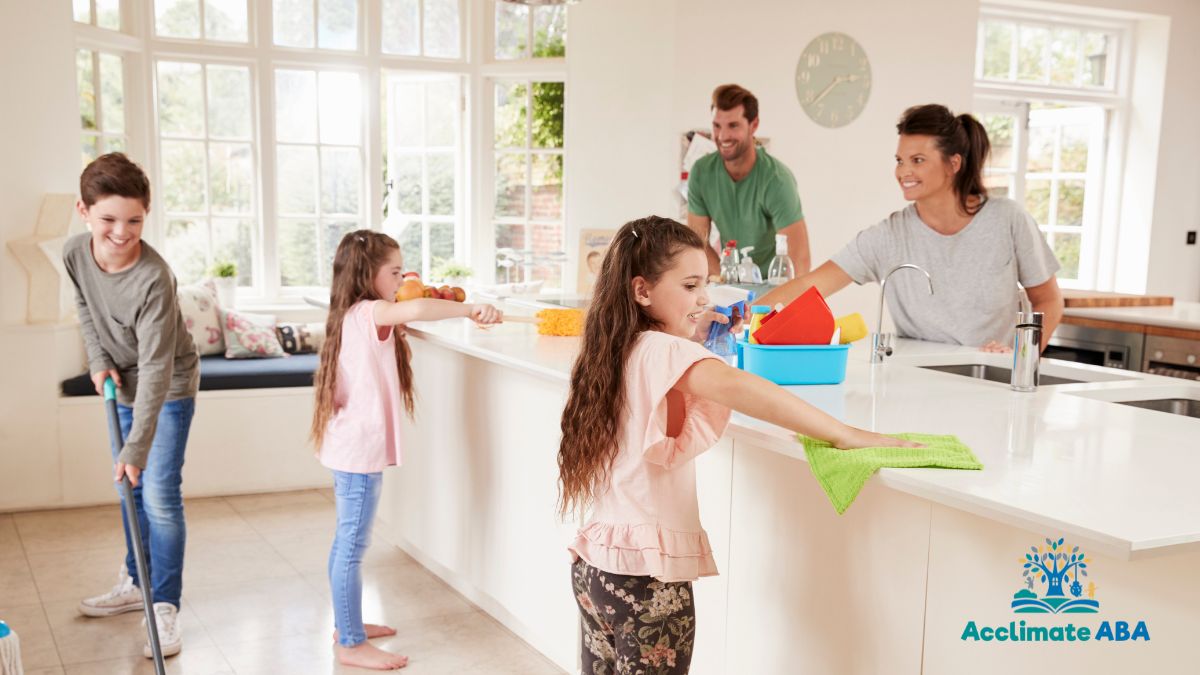
Conflict between autistic and neurotypical siblings is common. Here’s how families can navigate it:
Scenario 1: Sharing Toys
- Problem: Neurotypical sibling takes an autistic sibling’s special fidget toy.
- Solution: Calmly explain feelings and encourage problem-solving.
- Example: “Leo feels sad when his toy is taken. Maya, how could you ask to borrow it next time or play together?”
Scenario 2: Noise and Sensory Overload
- Problem: Neurotypical sibling wants loud play; autistic sibling needs quiet.
- Solution: Acknowledge both perspectives and schedule compromise.
- Example: “Maya, it’s loud now and Leo needs quiet. Let’s find a time later for loud play when Leo is ready.”
Scenario 3: Emotional Outbursts
- Problem: Anger or jealousy escalates during interactions.
- Solution: Teach “I” statements and use calm-down strategies.
- Example: “I feel upset when I don’t get a turn. I will take 5 deep breaths, and then we can try again.”
Scenario 4: Feeling Overlooked
- Problem: Neurotypical sibling feels neglected.
- Solution: Schedule one-on-one time with parents and reinforce their unique value.
- Example: Weekend outing or shared hobby time where focus is solely on them.
Supporting siblings in families with autism strengthens not only their relationship but also the family as a whole, creating lifelong bonds, empathy, and advocacy skills. With proactive strategies, understanding, and therapy-informed approaches, siblings can thrive together rather than drift apart.
Acclimate ABA Therapy helps families strengthen sibling relationships and improve family dynamics using tailored ABA family strategies. Our therapists teach emotional regulation, communication, and problem-solving skills, involving both parents and siblings to reduce sibling jealousy autism. By applying these strategies at home, families build empathy, understanding, and a more harmonious, supportive environment for all children. Contact us today.

FAQ’s
- Why do siblings of autistic children struggle to connect?
Siblings may struggle to connect due to differences in communication, play styles, and social understanding. Neurotypical siblings may also feel overlooked or frustrated, while autistic children may have difficulty expressing affection in typical ways.
- What is sibling jealousy autism, and how can it be addressed?
Sibling jealousy autism occurs when neurotypical children feel neglected or burdened by their autistic sibling’s needs. Strategies like one-on-one attention, shared activities, and ABA family strategies can help reduce jealousy and build positive connections.
- How can parents help siblings understand autism?
Parents can provide age-appropriate explanations, validate emotions, and highlight strengths. Using books, media, role-playing, and safe family discussions are effective ways for helping siblings understand autism and foster empathy.
- How does ABA therapy support sibling relationships?
ABA therapy, especially when adapted for families, teaches emotional regulation, communication, and cooperative play. Involving siblings in therapy and using visual supports helps both autistic and neurotypical children improve understanding and reduce conflict.
- How can Acclimate ABA therapy help my family?
Acclimate ABA Therapy offers tailored ABA family strategies to strengthen sibling bonds, reduce jealousy, and improve overall family dynamics. Therapists guide parents and siblings on practical skills for communication, problem-solving, and positive interactions at home.

