

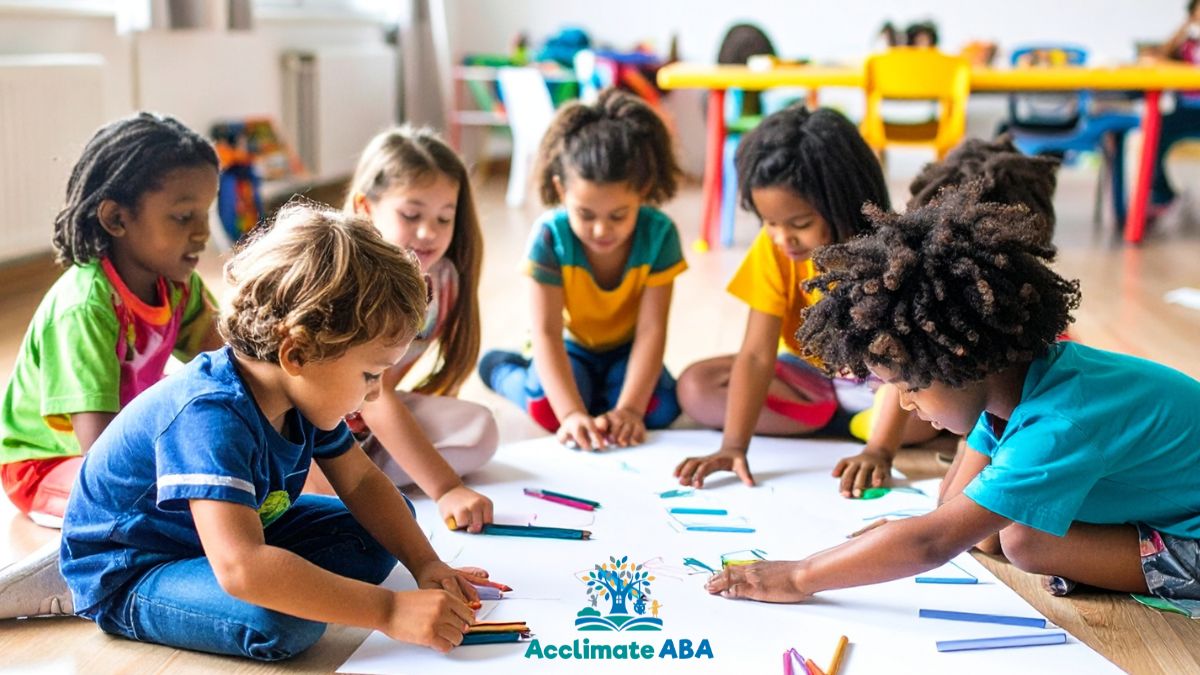
Key Points:
- Step-by-Step Practice Builds Confidence: Structured teaching and guided real-world practice help autistic children navigate social situations with ease.
- Turn Interests into Connection: Using passions like coding, art, or sports makes social interactions fun, meaningful, and motivating.
- Skills That Stick: ABA techniques, visual supports, and social stories help children apply what they learn in therapy to everyday community settings.

Autistic children can learn and strengthen community skills through structured, interest-based activities, visual supports, and guided practice at home and in public. These skills not only enhance peer interaction but also promote independence, confidence, and safety in real-world environments.
Why Autistic Kids Struggle with Social Skills
Research confirms that children with autism often face challenges in social interaction due to differences in brain function affecting communication and perspective-taking. This can make it difficult to understand nonverbal cues, interpret social rules, and navigate sensory-rich, busy environments, leading to anxiety, withdrawal, or misunderstandings.
Common challenges include:
- Difficulty with Nonverbal Communication: Reading body language, gestures, facial expressions, or maintaining eye contact can be hard.
- Challenges with Social Cues: Subtle hints, conversational timing, or unwritten rules may be confusing.
- Perspective-Taking: Understanding that others have different thoughts and feelings can be challenging.
- Sensory Overload: Crowded places, bright lights, or loud sounds can trigger anxiety or shutdowns.
- Preference for Structure: Unstructured times like recess or community outings may feel unpredictable.
- Processing Speed: Quick conversations can be overwhelming.
- Intense Interests: Deep focus on specific topics can make general social interaction difficult.
These factors can lead to isolation, anxiety, and peer misunderstandings. Structured teaching, explicit guidance, and consistent practice are key to helping autistic children thrive socially.
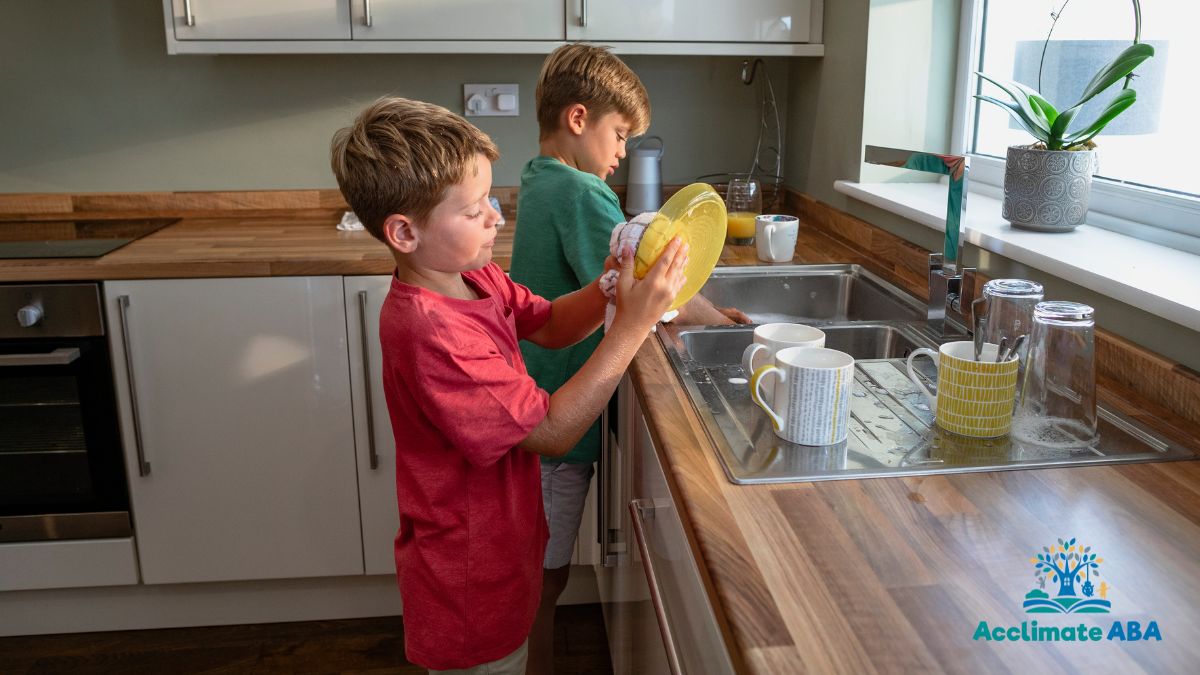
How ABA Therapy Supports Social Skill Development
Applied Behavior Analysis (ABA) therapy helps children with autism develop social skills by breaking complex interactions into manageable steps and reinforcing them in structured and natural environments.
Key ABA Techniques for Social Skills:
- Task Analysis & Modeling: Break behaviors into small steps and demonstrate them.
- Role-Playing: Practice social situations safely before real-life application.
- Positive Reinforcement: Reward successful social behaviors.
- Social Stories & Visual Aids: Explain expected behaviors in clear, visual ways.
- Natural Environment Teaching (NET): Apply skills in real-life contexts, such as playgrounds or grocery stores.
- Group Programs: Structured peer interaction promotes generalization of skills.
Skills Developed Through ABA:
- Starting and maintaining conversations
- Interpreting nonverbal cues (facial expressions, body language, tone)
- Sharing, turn-taking, and teamwork
- Greetings and respecting personal space
- Emotional regulation and empathy
Benefits: Improved social confidence, stronger peer and family relationships, reduced frustration, and better integration into school and community life.
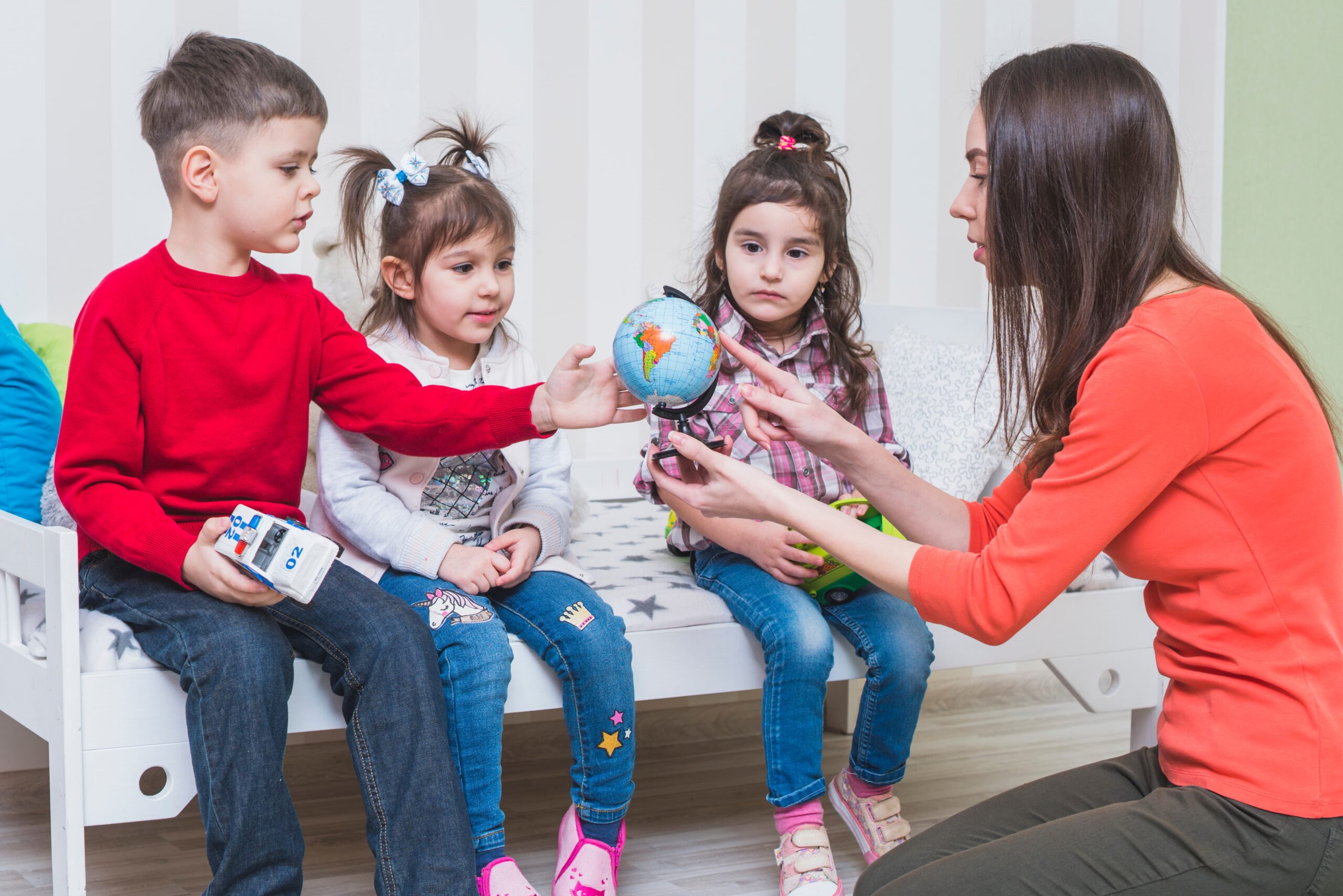
Practical Strategies for Home and Community
Teaching community skills to kids with autism requires intentional practice, visual supports, and engagement in meaningful, interest-based activities.
Key Strategies:
- Teach Explicitly: Break social skills into clear steps (e.g., eye contact, turn-taking).
- Use Visuals: Social stories, picture cards, or schedules clarify expectations.
- Role-Play & Practice: Simulate scenarios at home to build confidence.
- Start with Interests: Use passions like art, coding, or sports to motivate interaction.
Structured Social Time: Include daily opportunities for intentional interaction. - Video Modeling: Show examples of social behaviors for visual learners.
- Peer Models: Pair children with peers who demonstrate strong social skills.
- Social Narratives: Explain perspectives and emotions to enhance empathy.
Important Considerations: Be patient, provide breaks, model communication, respect your child’s pace, and connect with local autism support groups.
Teaching Community Social Skills
Autistic children benefit from gradual, structured exposure to real-world social situations. Using visual supports, interest-based activities, and safe practice, children can generalize skills learned in therapy to community settings.
Core Skills to Teach:
- Conversation Skills: Initiating and ending chats, active listening, interpreting cues.
- Social Navigation: Awareness of context, handling unexpected changes, asking for help.
- Empathy & Perspective-Taking: Recognizing emotions and adjusting behavior.
- Play & Teamwork: Sharing, turn-taking, following rules in games.
Effective Strategies:
- Use structured learning with visuals and role-playing.
- Introduce skills gradually, starting with single concepts.
- Practice in multiple community settings, such as parks, stores, or clubs.
- Encourage participation in interest-based community programs like Special Olympics or coding clubs.
- Reinforce effort and small successes with positive feedback.
- Support Tools: Video modeling, social narratives, communication apps.
Generalization in ABA for Peer Interaction Outside School
Generalization ABA ensures children apply social skills from therapy to everyday situations. Practicing in varied environments with different peers helps children internalize conversation, sharing, and cue-reading skills.
How It Works:
- Varied Environments: Parks, playdates, stores, and other public outings.
- Diverse Stimuli: Different people, toys, and scenarios.
- Caregiver Involvement: Reinforce skills at home and in community settings.
- Peer-Mediated Interventions: Typically developing peers model behaviors.
- Visual Tools: Social stories and video modeling clarify social cues.
Benefits: Greater independence, enhanced social integration, increased confidence, and long-term, transferable skills.
ABA Strategies in Practice: Building Social Confidence Outside School
Structured, interest-based activities help children practice social skills meaningfully. Role-playing real-world scenarios like public outings, grocery trips, or joining games helps children gain confidence while keeping stress low.
Scenario Examples & Strategies:
- Park Playdate – Low-Stakes Social Practice
- Goal: Practice initiating play and joining a small group.
- Setup: Invite one familiar peer; bring a favorite toy or snack.
- Action: Model phrases like, “Can I play too?” or practice asking to join a game.
- Benefit: Builds peer interaction in a low-pressure setting.
- Grocery Store – Navigating Public Outings
- Goal: Develop independence and manage unexpected changes.
- Setup: Use a visual schedule or script: “First, we get apples. Next, we pay.”
- Action: Assign tasks, practice coping strategies if items are missing.
- Benefit: Encourages store behavior ABA, and community skill application.
- Community Club – Shared Interests
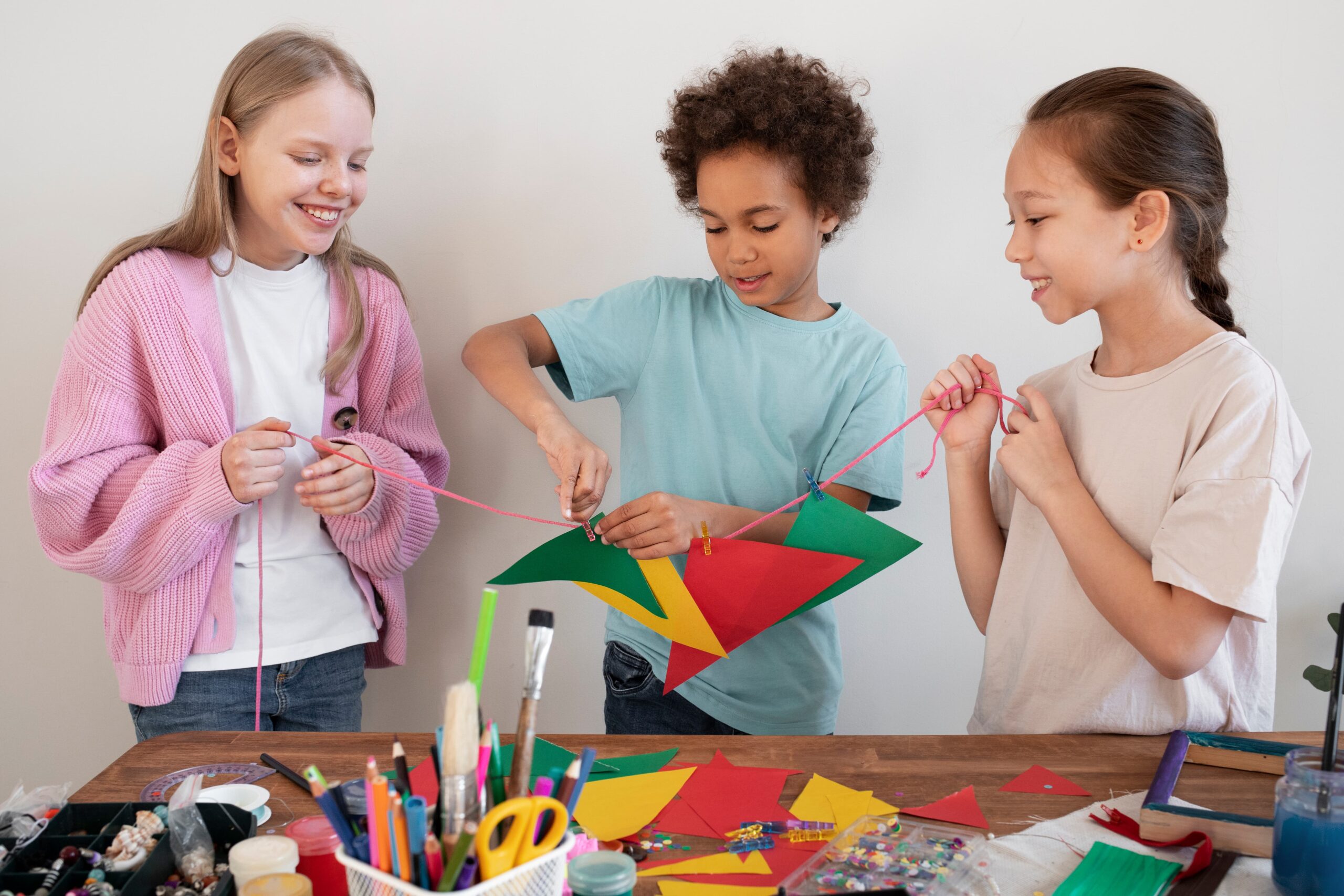
- Goal: Develop friendships around passions (e.g., LEGOs, coding, art).
- Setup: Enroll in a structured class with supportive leaders.
- Action: Encourage sharing creations and asking questions.
- Benefit: Enhances peer interaction outside school and community engagement.
- Street Safety & Outings
- Goal: Teach street safety skills for kids with autism.
- Setup: Practice crossing streets with visual cues and step-by-step guidance.
- Action: Role-play real-life scenarios, emphasizing safety rules and attention to surroundings.
- Benefit: Builds independence and confidence in public spaces.
Key Principles for Success
- Start Small & Build Up: Begin with low-stimulation settings before moving to crowded environments.
- Use Visuals: Social stories and scripts clarify expectations.
- Leverage Interests: Turn passions into social bridges.
- Positive Reinforcement: Celebrate effort and success to build confidence.
- Teach & Practice: Role-play social scripts with toys, family, or visual aids.
- Allow Breaks & Stims: Respect sensory needs and downtime.
For more strategies and practical schedules to build social confidence. Contact us.
Frequently Asked Questions (FAQs)
- What are community skills for children with autism?
Community skills autism refers to the social, communication, and safety skills that help autistic children interact confidently in public spaces, such as parks, stores, clubs, or school events. These skills include conversation, turn-taking, empathy, following rules, and street safety awareness.
- How can ABA therapy help my child build social confidence?
Applied Behavior Analysis (ABA) therapy teaches social skills step by step, using role-playing, positive reinforcement, social stories, and natural environment practice. These techniques help children generalize skills from therapy to real-world settings, boosting peer interaction and confidence.
- What are some practical strategies for teaching social skills at home?
Parents can support social skill development with visual supports (social stories, picture cards), structured role-play, interest-based activities, video modeling, peer interaction, and intentional daily social practice. Gradual exposure and patience are key.
- How can I help my child practice social skills in public?
Structured public outings with autism, such as grocery trips, park playdates, or interest-based clubs, allow children to practice conversation, sharing, and safety skills in a low-pressure, supportive environment. Visual schedules, scripts, and caregiver guidance reinforce learning.
- What are street safety skills for kids with autism?
Street safety skills include understanding traffic rules, crossing streets safely, staying aware of surroundings, and responding appropriately to unexpected situations. Practicing these skills with visual cues and step-by-step guidance builds independence and confidence.
- How do I manage sensory overload during community outings?
Plan low-stimulation environments first, provide breaks, allow stims, and use visual supports to clarify expectations. Gradually increase exposure to busier settings while reinforcing coping strategies and celebrating successes.
- How can I find structured programs to help my child develop social skills?
Interest-based community programs like coding clubs, art classes, Special Olympics, and ABA-informed social groups provide structured peer interaction. These programs reinforce learned skills and help autistic children generalize social behaviors outside school.

