

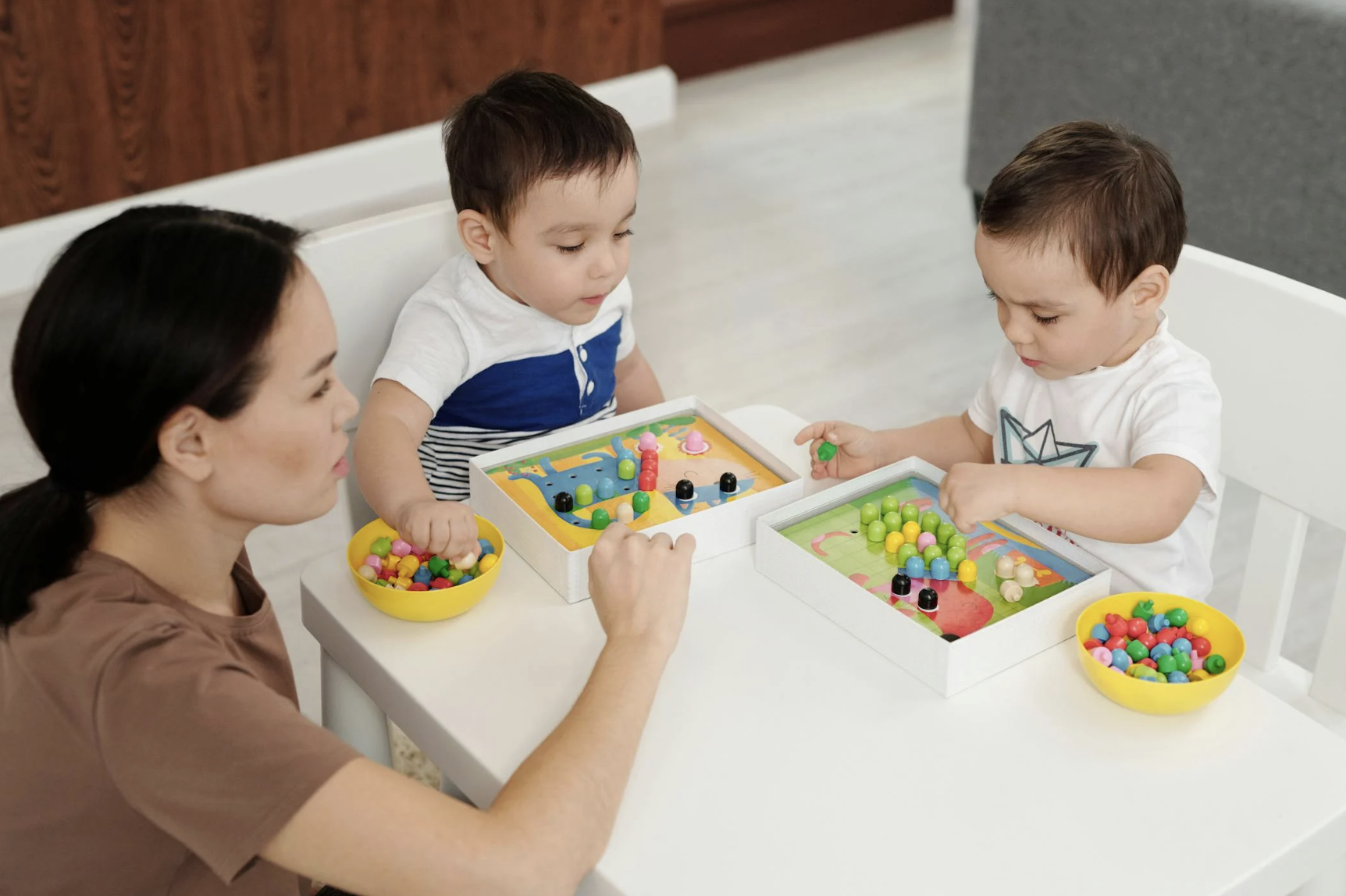
Key Points:
- Motor skills impact speech: Fine and gross motor challenges affect communication and daily tasks.
- ABA boosts development: Therapy improves motor skills and functional communication together.
- Early intervention matters: Starting young enhances independence, confidence, and social skills.
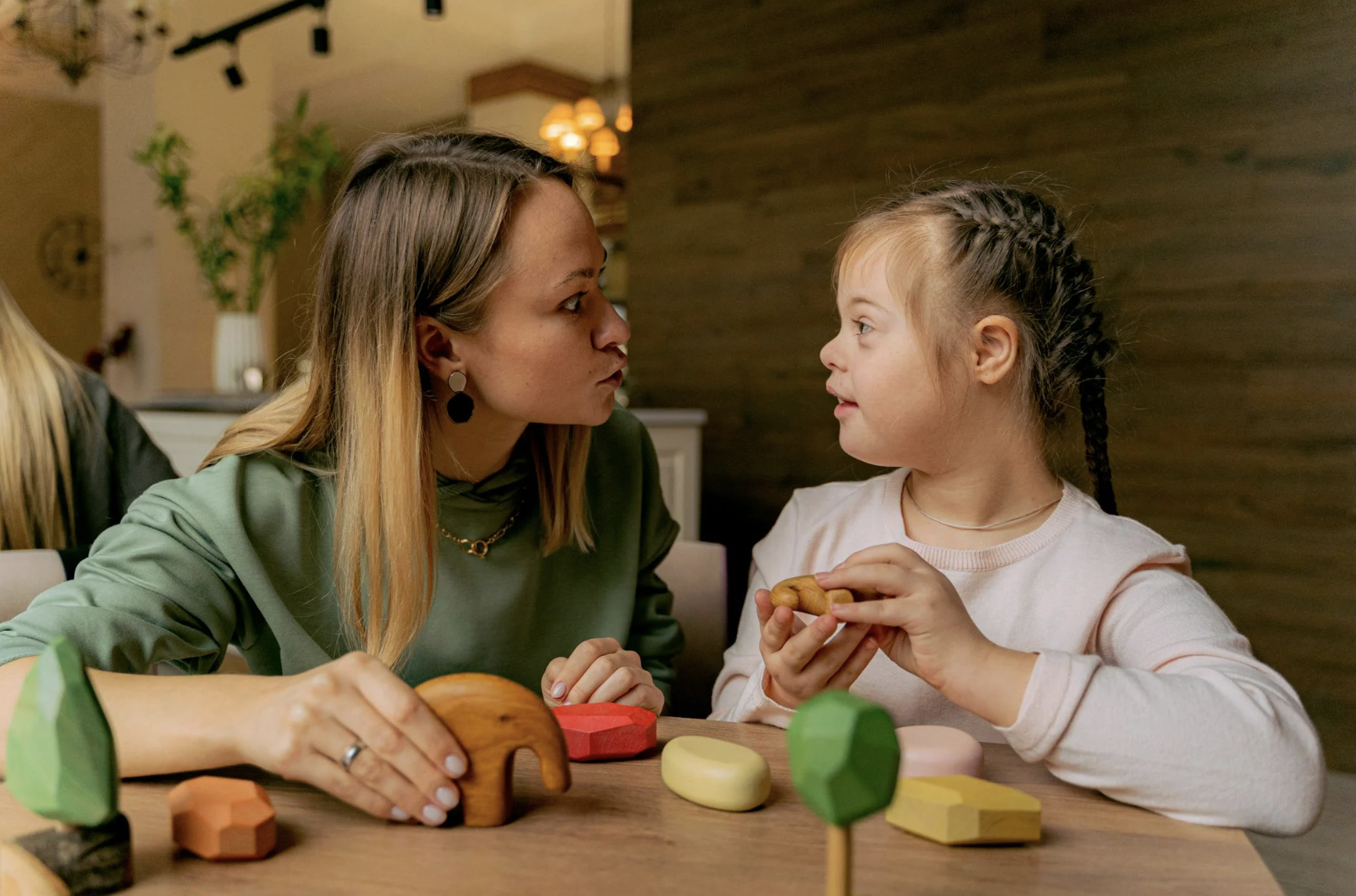
The Link Between Motor Skills Challenges and Autism
Research shows that motor problems are common in neurodevelopmental conditions, including autism, but are often overlooked in intervention planning.
Studies report that 50–95% of individuals with ASD experience significant motor difficulties affecting functional mobility, daily living skills, physical activity, and fall risk. These motor challenges can impede daily tasks and impact speech and cognitive development due to neurological differences affecting connectivity between regions responsible for movement planning, sensory processing, and social interaction.
These differences can lead to coordination difficulties, muscle tone, motor speech development, processing sensory information, and non-verbal cues such as eye contact. Understanding these challenges and how ABA therapy supports development is key for parents and caregivers.
Why Motor Skills Struggles Occur in Autism
- Brain Connectivity Differences – Reduced synchrony with the brain’s sensory, visual, and motor regions can limit coordination, balance, and gross motor and fine motor skills.
- Motor Planning (Dyspraxia) – Many autistic children struggle to plan and execute movements, making tasks such as handwriting or running/jumping difficult.
- Sensory Processing Issues – Some children rely more on internal body awareness (proprioception) than visual feedback, which can result in less precise movements.
- Muscle Tone Differences – Conditions like hypotonia (low muscle tone) may contribute to poor posture, instability, and difficulty with motor coordination.
Why Communication Struggles Occur
- Motor-Based Speech Issues (Apraxia) – Clear speech requires fine motor control of the mouth and throat muscles. Motor planning deficits can hinder speech development.
- Delayed Processing Time – Autistic children may require time to process sensory input, which affects their ability to respond in social situations.
- Nonverbal Deficits – Challenges with body language, vocal tone, and eye contact can make communication feel overwhelming.
- Interconnected Challenges – Poor motor coordination can affect the ability to learn sign language or use communication devices, linking physical challenges directly to communication barriers.

Supporting Motor and Speech Development
- Occupational and Physical Therapy – Helps improve motor planning, balance, and fine and gross motor skills.
- Speech Therapy – Focuses on improving motor movements required for speech production.
- Sensory Strategies – Structured sensory tools and environments support both motor function and engagement.
Motor skills and communication are closely linked: early motor delays, such as postural control or coordination issues seen between 14–24 months, often predict future social communication, language, and imitation difficulties. Improved fine and gross motor skills correlate strongly with better social, cognitive, and speech development outcomes.
Key Connections Between Motor Skills & Communication
- Foundation for Social Communication – Deficits in motor skills affect the ability to use nonverbal cues such as gestures, facial expressions, and eye contact.
- Early Detection & Prediction – Early motor delays, such as low muscle tone or difficulty rolling over, often appear as social skill deficits and can act as early indicators of autism.
- Speech Development – Motor control is essential for producing sounds, words, and sentences; deficits in praxis can hinder verbal communication.
- Impact on Social Interaction – Motor coordination affects posture and body language, influencing social engagement and perception.
- Intervention Opportunities – Early physical activity and therapy targeting motor skills can indirectly improve social communication and interaction.
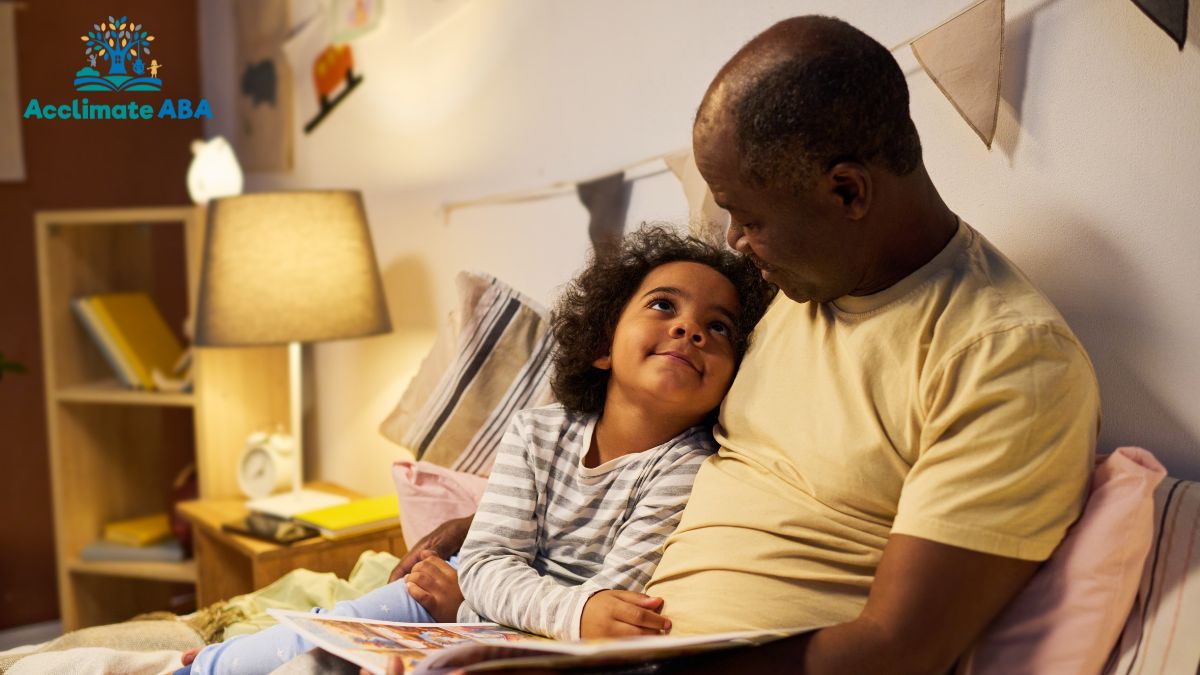
Specific Motor Challenges Affecting Communication
- Gross Motor Skills – Delays in walking, running, or balance may signal broader social and cognitive delays.
- Fine Motor Skills – Hand dexterity is linked to more severe repetitive behaviors and can interfere with functional communication.
- Imitation Skills – Difficulty coordinating movements can hinder imitation, a key building block for social development.
At Acclimate ABA, we address these challenges by breaking complex gross and fine motor tasks into manageable steps while using positive reinforcement to promote practice and skill acquisition. Collaboration with occupational and physical therapy to enhance outcomes in daily routines like dressing, handwriting, and play.
Fine Motor Skill Development in ABA Therapy
ABA strategies target hand strength, hand-eye coordination, and dexterity through structured, engaging activities.
Activities Include:
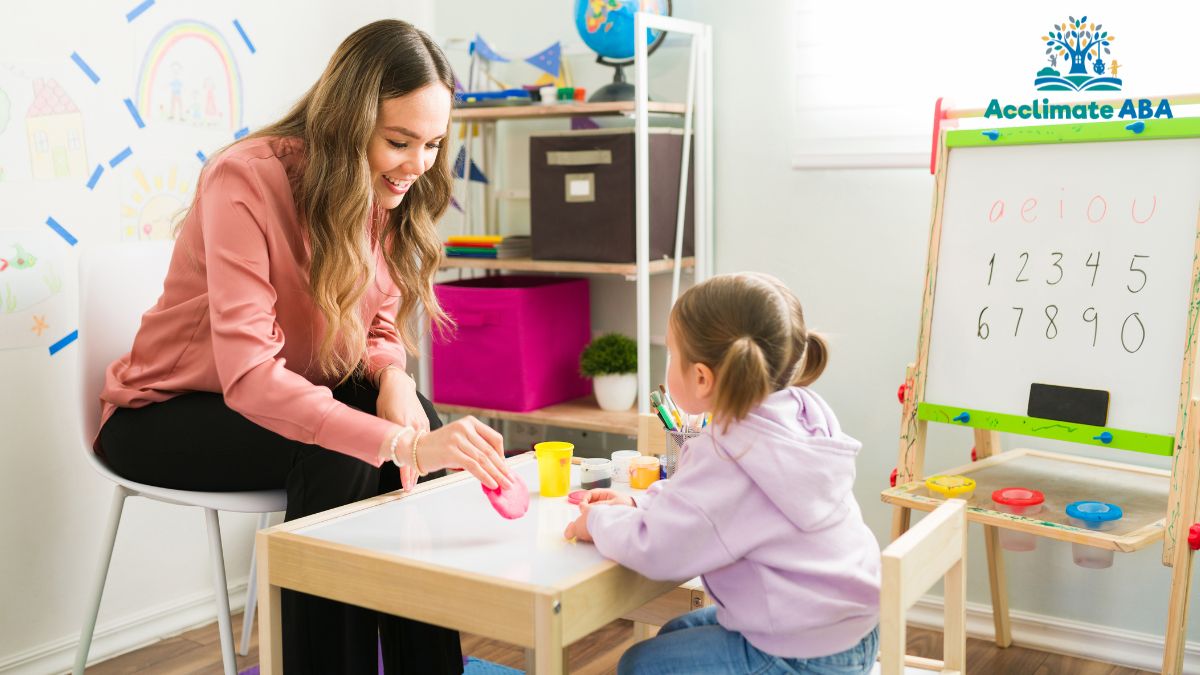
- Manipulating putty or clay
- Threading beads
- Using tweezers
- Tracing shapes and coloring
Daily Impact:
- Improved grasp for pencils
- Buttoning shirts independently
- Using utensils
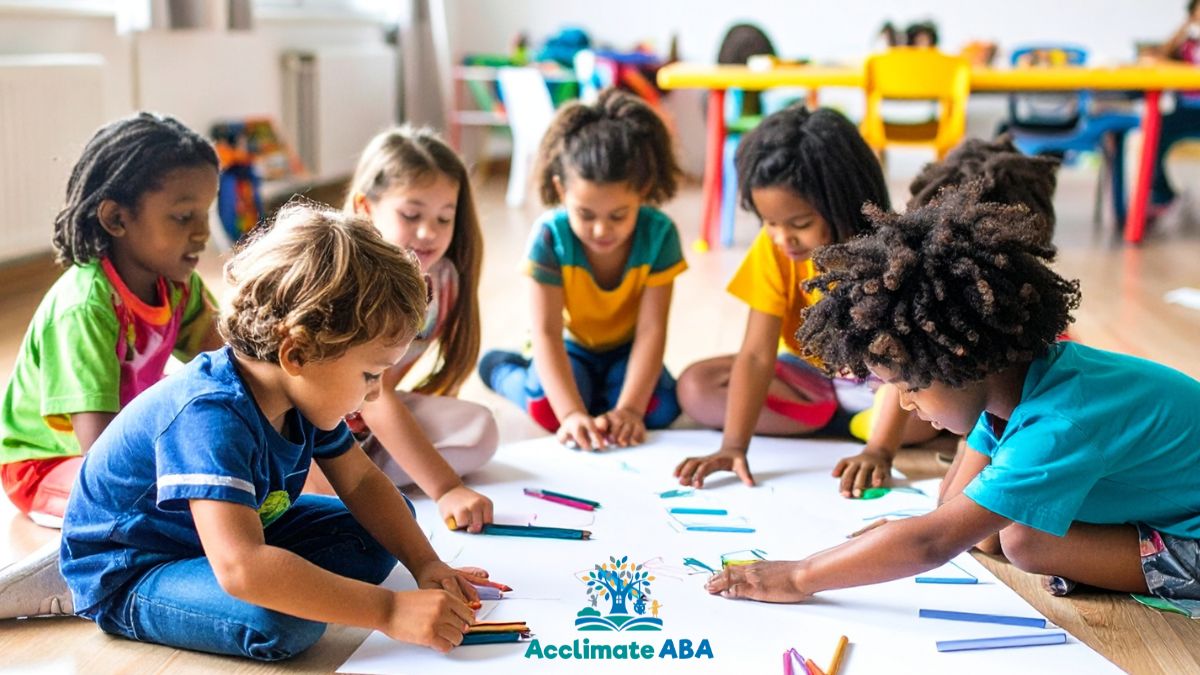
Gross Motor Skill Development in ABA Therapy
Therapists use behavioral strategies to teach and strengthen muscle movements.
Activities Include:
- Obstacle courses
- Jumping, climbing, and balancing
- Running games
Daily Impact:
- Enhanced posture and coordination
- Increased independence in physical activities
Key ABA Strategies for Motor Skills
- Task Analysis – Breaking complex movements into teachable steps (e.g., tying shoes).
- Positive Reinforcement – Immediate rewards motivate children to repeat and master skills.
- Generalization – Skills learned in the clinic are applied at home and school.
- Play-Based Learning – Engaging children through play while developing fine motor and gross motor skills.

ABA Therapy and Speech Development
ABA therapy supports speech development by using structured reinforcement to teach functional communication, imitation, and language. By breaking communication into small steps, children can learn to request items, mimic sounds, and use gestures effectively.
Key Techniques Include:
- Mand Training (Requesting) – Teaching children to ask for desired items to reduce frustration and encourage verbal output.
- Echoic Training (Imitation) – Mimicking sounds, words, and gestures, foundational for speech.
- Increasing Functional Communication – Teaching verbal and non-verbal communication using PECS, gestures, or eye contact.
- Discrete Trial Training (DTT) – Breaking language tasks into small, structured steps for vocabulary and sentence development.
- Natural Environment Training (NET) – Practicing communication in real-life situations.
- Behavior Reduction – Minimizing problem behaviors that interfere with learning.
ABA is most effective when started early, often between ages 2 and 6, and works well alongside traditional speech-language therapy.
How ABA Therapy Integrates Motor Skills and Communication
ABA therapy combines fine motor, gross motor, and speech development through structured, engaging activities.
ABA In Practice: Targeting Motor Skills and Communication
- Motor Imitation to Verbal Communication – Clapping hands, copying the action, then prompting a verbal response.
- Fine Motor and Requesting – Using tweezers to pick up items while asking verbally, “Help, please.”
- Play-Based Communication – Puzzles strengthen pincer grasp and teach, asking for missing pieces.
- Functional Life Skills – Buttoning shirts while narrating the action or asking for help.
- Gross Motor and Social Skills – Navigating obstacle courses followed by peer interaction and communication.
Key ABA Techniques:
- Task Analysis: Breaking skills into steps.
- Prompting: Using verbal, visual, or physical cues.
- Reinforcement: Rewarding successful attempts.
- Shaping: Reinforcing gradual approximations, e.g., pointing → sound → full word.

Benefits of ABA Therapy for Motor Skills and Speech Development
- Structured Skill Acquisition – Easier learning of complex tasks.
- Fine Motor Enhancement – Improves hand-eye coordination and dexterity.
- Gross Motor Improvement – Strengthens large muscles, balance, and coordination.
- Independence and Daily Living – Mastery of personal hygiene, grooming, and dressing.
- Increased Confidence – Success in small steps builds self-esteem and reduces frustration.
- Improved Coordination and Planning – Supports motor planning and execution.
At Acclimate ABA, our structured approach to ABA therapy empowers children with autism to strengthen fine motor and gross motor skills while advancing speech development. Ultimately, supporting independence, social engagement, and functional communication.
Contact us today to schedule a consultation in Utah.
 FAQs
FAQs
 FAQs
FAQs- How are motor skills and speech development connected in autism?
Motor skills, including fine motor and gross motor abilities, are closely linked to speech development. Poor coordination, muscle tone differences, or motor planning challenges can make it difficult for children to control mouth and throat muscles, affecting speech clarity, gestures, and nonverbal communication. Early motor delays often predict future social and language development challenges.
- What are common motor challenges in children with autism?
Children with autism may experience:
- Gross motor difficulties: walking, running, jumping, balance issues
- Fine motor difficulties: hand dexterity, grasping objects, handwriting
- Imitation difficulties: trouble copying gestures or actions, which impacts social learning
- Muscle tone differences: hypotonia or low muscle tone affecting posture and stability
- How does ABA therapy help improve motor skills?
ABA therapy uses structured, step-by-step techniques such as task analysis, positive reinforcement, and play-based learning to help children develop fine and gross motor skills. Activities like threading beads, using putty, obstacle courses, or balance exercises strengthen coordination, hand-eye control, and overall motor planning.
- How can ABA therapy support speech development?
ABA therapy enhances speech development by teaching functional communication through techniques like:
- Mand training: teaching children to request items
- Echoic training: imitating sounds, words, and gestures
- Discrete Trial Training (DTT): breaking language into small, learnable steps
- Natural Environment Training (NET): practicing communication in real-life situations
- Can improving motor skills improve communication?
Yes. Developing fine and gross motor skills helps children better use gestures, manipulate communication devices, and control mouth movements for speech. Strengthening motor coordination also supports social interaction and functional communication in everyday activities.
- When should ABA therapy start for maximum impact?
Research shows ABA therapy is most effective when started early, typically between ages 2 and 6, especially when combined with occupational, physical, or speech therapy. Early intervention can help children develop motor skills and functional communication skills more effectively.
- What daily life skills improve through ABA therapy?
ABA therapy helps children gain independence in dressing, buttoning, using utensils, handwriting, and participating in physical activities. These gains also boost confidence, reduce frustration, and encourage participation in social and school activities.

