

Key Points:
- Common Co-Occurrence: Anxiety frequently occurs alongside autism.
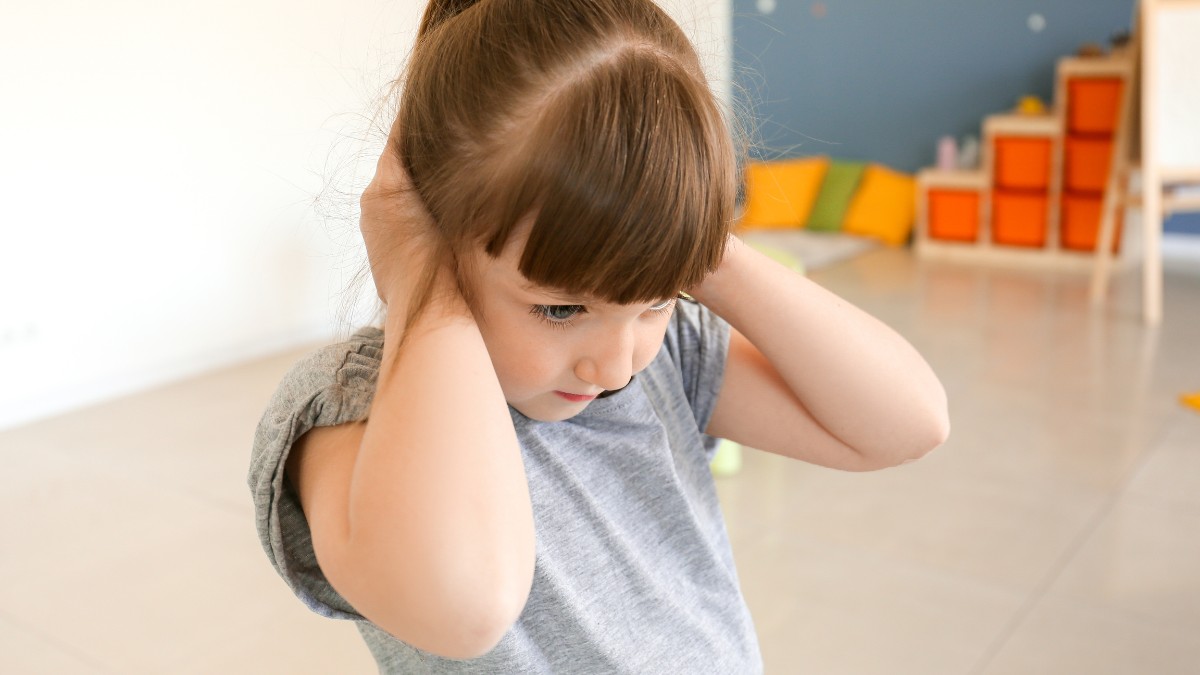
- Unique Symptoms: Meltdowns, rigidity, and avoidance are common triggers.
- Specialized Support Helps: ABA therapy and calming strategies improve daily life.

Autism and Anxiety: What’s the Link?
Research indicates that anxiety is the most common co-occurring condition among autistic individuals, affecting approximately 50% of both children and adults and posing significant challenges to their mental health.
It often manifests as social anxiety, specific phobias, general anxiety, or obsessive-compulsive tendencies, frequently resulting in heightened sensory sensitivity, meltdowns, and sleep disturbances. Understanding how anxiety disorders interact with autism is critical for families, caregivers, and professionals seeking effective interventions.
Common Signs of Anxiety in Autism
High Prevalence
Anxiety disorders are extremely common among autistic individuals.
Common Anxiety Types
Frequently diagnosed anxiety disorders in autistic individuals include:
- Social phobia
- Specific phobias
- Generalized anxiety disorder (GAD)
- Obsessive-compulsive disorder (OCD)
Overlapping Symptoms
Differentiating between autism and anxiety can be challenging because symptoms such as restricted interests, rigid routines, and sensory sensitivities may be misinterpreted as anxiety, or vice versa.
Unique Presentations
Anxiety in autism is often triggered by sensory overload, changes in routine, or social difficulties, and may manifest as intense tantrums, aggression, or self-injurious behavior.
Impact on Functioning
The presence of anxiety can exacerbate existing autism symptoms, interfere with treatment, and cause major disruptions in daily life, including school avoidance, social withdrawal, and sleep disturbances.
 Key Drivers of the Autism-Anxiety Link
Understanding why autistic individuals are more susceptible to anxiety is essential for creating effective management strategies:
- Sensory Overload: Heightened sensitivity to lights, sounds, textures, or other sensory inputs can trigger chronic anxiety.
- Intolerance of Uncertainty: A strong need for predictability means changes in routine causes high distress.
- Social Challenges and Masking: Efforts to conform to neurotypical social norms (“masking”) can be exhausting and lead to social anxiety.
- Communication Barriers: Difficulty identifying and communicating emotions (alexithymia) or needs can increase frustration and anxiety.
- Biological Factors: Structural differences in the amygdala (fear center) and potential shared genetic links may contribute to anxiety in autism.

Signs and Symptoms of Anxiety in Autistic Children
Anxiety often manifests differently in autistic children compared to neurotypical peers. Key indicators include:
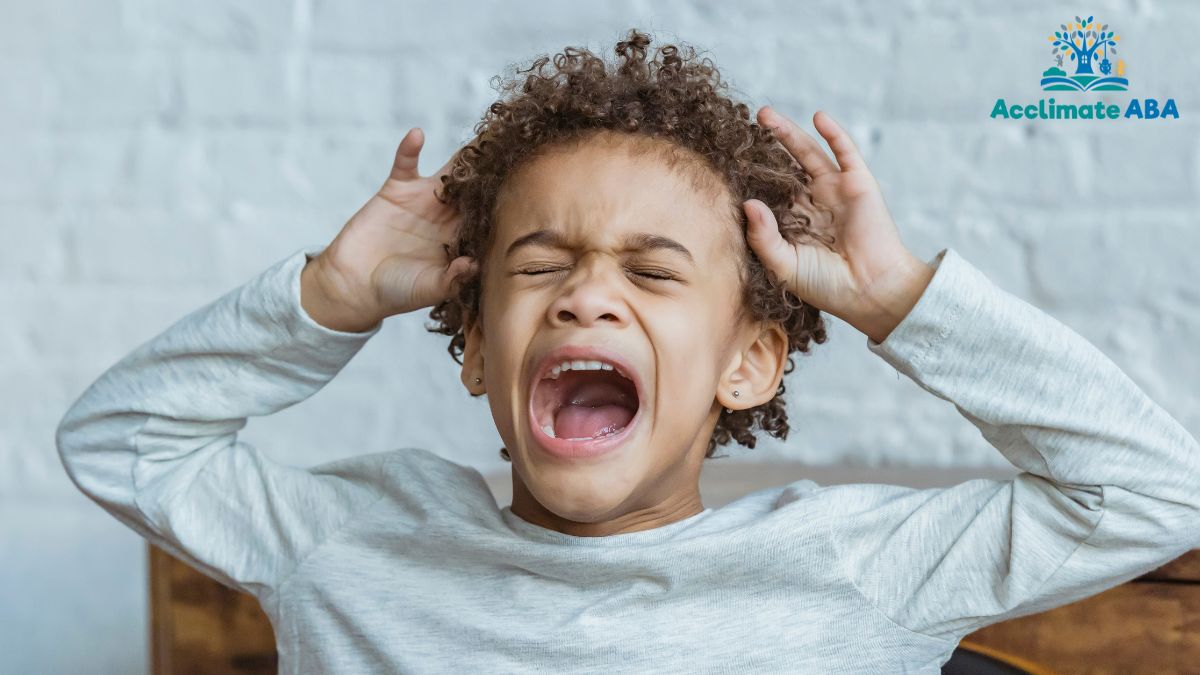
- Increased Meltdowns or Shutdowns: Strong reactions to minor changes in schedule or environment.
- Heightened Routines and Rigidity: Distress over changes in familiar routines, routes, or arrangements.
- Avoidance Behavior: Refusing to enter certain environments or participate in previously enjoyable activities.
- Physical Symptoms: Increased heart rate, sweating, trembling, or unexplained stomachaches.
- Sleep Disturbances: Difficulty falling or staying asleep due to anxious thoughts.
- Aggression or Self-Injury: Biting, hitting, or self-harm as a response to overwhelming anxiety.
- Increased Masking: Attempts to hide autism traits, leading to burnout and emotional exhaustion.
Common anxiety triggers include:
- Disruptions to established routines
- Uncertainty or lack of clarity about social situations
- Sensory overload (e.g., loud noises, bright lights)
- High demands or expectations
Management and Support Strategies
Addressing anxiety disorders in autistic individuals often requires specialized approaches rather than standard therapy. Key strategies include:
Sensory Supports
- Reduce environmental sensory overload with noise-canceling headphones, dim lighting, or quiet spaces.
- Try sensory tools such as fidget toys, chewy pendants, or weighted blankets as calming strategies.
Cognitive Support
- Help manage intolerance of uncertainty and provide predictable routines.
- Use visual supports such as visual schedules, “first-then” boards, and social stories to explain upcoming events.
Tailored Therapy
- Adapt therapies like Cognitive Behavioral Therapy (CBT) to account for differences in language, social, and emotional processing.
- Employ role-playing, modeling, or gradual exposure to build confidence in stressful situations.
Professional Support
- Engage psychologists, therapists, or pediatricians familiar with neurodivergence for individualized strategies.
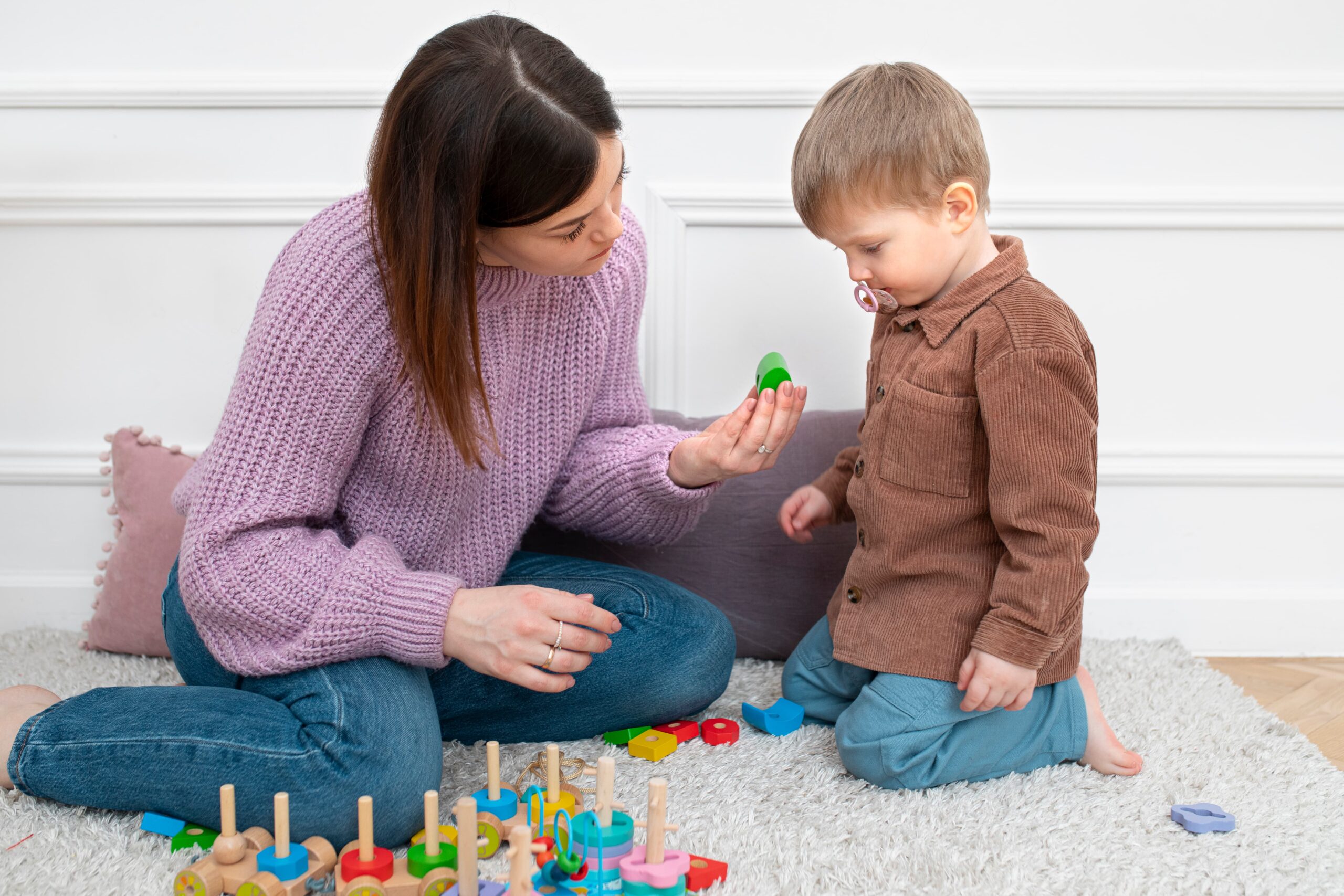
- Integrate ABA therapy to identify anxiety triggers, reduce fear-based behaviors, and teach coping mechanisms.

How ABA Therapy Helps Children Manage Anxiety
Our individualized Applied Behavior Analysis (ABA) therapy is effective for autistic children experiencing anxiety by:
- Systematic Desensitization: Gradually exposing children to anxiety-inducing stimuli in a safe, controlled way.
- Teaching Coping Strategies: Deep breathing, mindfulness, progressive muscle relaxation, and cognitive restructuring.
- Replacing Maladaptive Behaviors: Using functional alternatives for anxiety-driven behaviors like tantrums or avoidance.
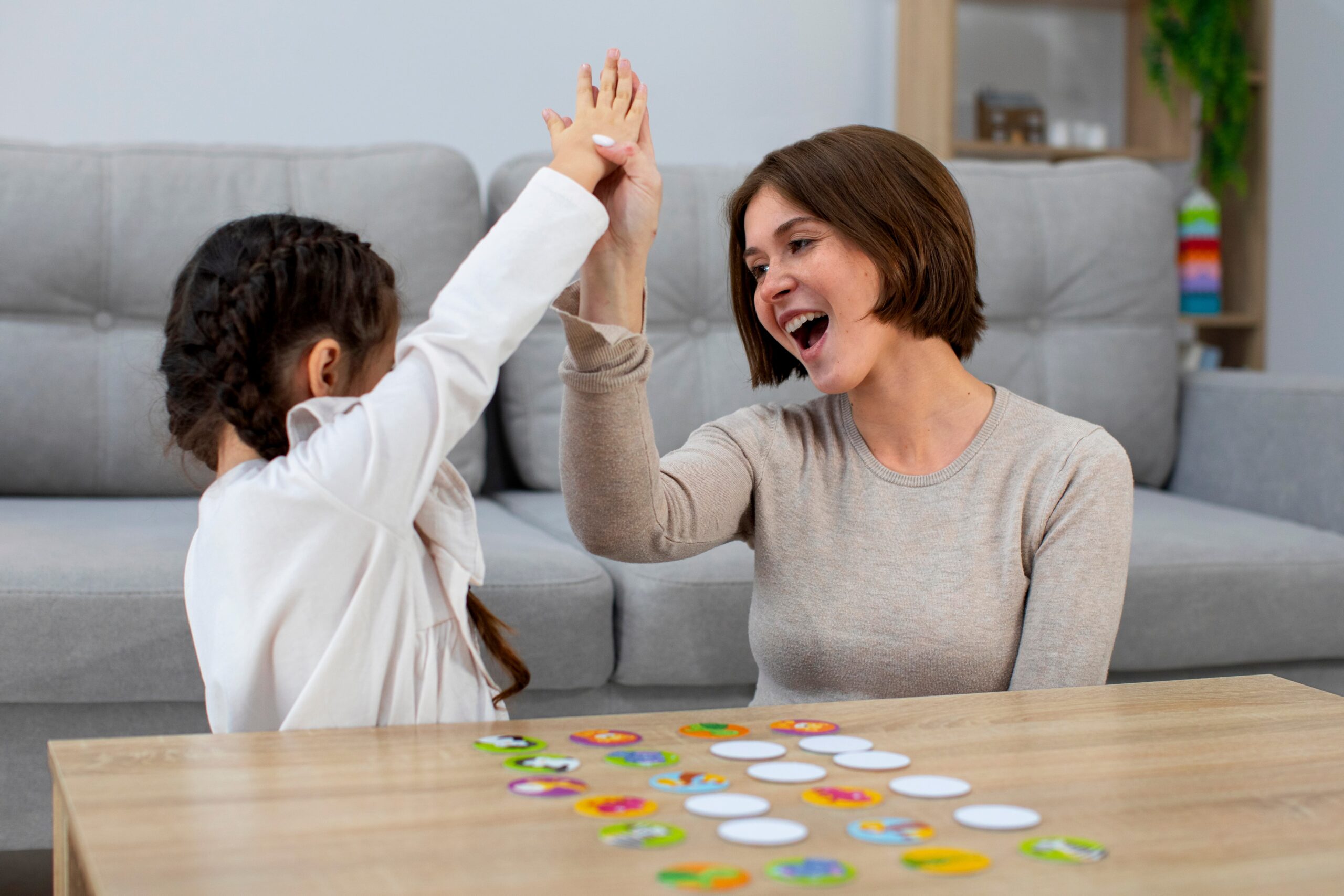
- Positive Reinforcement: Rewarding calm behaviors and the use of coping skills to motivate children.
- Natural Environment Teaching (NET): Practicing skills in real-life settings (home, school, community).
- Identifying Triggers: Working with families to anticipate and prevent anxiety-inducing situations.
- Functional Communication Training (FCT): Teaching children to express needs through words, signs, or PECS.
Example: Managing fear of school or social anxiety
- Assessment identifies anxiety spikes in crowded hallways.
- Gradual exposure starts with arriving early and practicing calm hallway walks.
- Social stories, positive reinforcement, and coping skills such as break cards are integrated.

Calming Strategies and Supportive Approaches
Sensory Regulation
- Deep Pressure: Weighted blankets, vests, lap pads, or firm hugs.
- Reduced Stimulation: Quiet areas, dim lighting, white noise, or calming music.
- Movement: Rocking, swinging, or jumping to self-regulate.
- Gentle Pressure Massage: Downward strokes on the back or head.
Anxiety Management and Structure
- Maintain predictable routines to provide security.
- Keep a log to identify triggers and mitigate stressors.
- Use visual supports, social narratives, and preparation for new situations.
Calming Techniques for Acute Distress
- Breathing Exercises: Simple techniques like 3-4-5 breathing or pretending to blow out a candle.
- Grounding Exercises: Identify five things you can see, hear, or feel.
- Redirection: Focus on special interests, favorite books, or relaxing activities.
- Physical Activity: Short bursts of running, jumping, or vigorous movement.
Caregiver Support
- Model calm behavior and keep communication simple during crises.
- Allow recovery time after meltdowns or extreme anxiety (often 20 minutes or more).
Benefits of Managing Anxiety in Autism
Effectively addressing anxiety can significantly improve the quality of life for autistic individuals:
- Reduction in Anxiety Symptoms: Autism-specific CBT and calming strategies help manage fear, social anxiety, and obsessive thoughts.
- Improved Behavior and Emotional Regulation: Reduces irritability, meltdowns, and other challenging behaviors.
- Enhanced Social Communication: Skills to manage anxiety, improve social interaction, and build confidence.
- Better Daily Life and Independence: Improved sleep, reduced obsessive-compulsive behaviors, and lower daily stress.
- Overall Quality of Life: Addressing anxiety and other co-occurring conditions supports long-term emotional, social, and physical well-being.
Anxiety is a common and often complex co-occurring condition in autistic individuals. Through specialized interventions, ABA therapy, and calming strategies, children and adults can learn to manage anxiety, reduce fear-driven behaviors, and thrive in daily life.
Understanding the triggers, symptoms, and support techniques is essential for families, caregivers, and professionals seeking to improve outcomes and quality of life for autistic individuals.
For personalized support and evidence-based ABA therapy, contact Acclimate ABA today to learn how our team can help.
FAQs
- How common is anxiety among autistic individuals?
Anxiety is the most prevalent co-occurring condition in autism, affecting around 50% of children and adults. It can significantly impact daily life, behavior, and overall mental health.
- What types of anxiety are most common in autistic people?
Autistic individuals often experience social anxiety, specific phobias, generalized anxiety disorder (GAD), and obsessive-compulsive disorder (OCD). Each type can present differently depending on the individual’s sensory sensitivities and social experiences.
- How can I tell if my child’s behaviors are due to anxiety or autism?
Some symptoms overlap, such as rigid routines, restricted interests, and sensory sensitivities, making it challenging to distinguish between autism and anxiety. Key signs of anxiety may include meltdowns triggered by change, avoidance of social situations, physical symptoms like rapid heartbeat, and sleep disturbances.
- What triggers anxiety in autistic children?
Common triggers include sensory overload (bright lights, loud sounds), disruptions to established routines, uncertainty in social situations, and high demands or expectations. Understanding these triggers is essential for effective management.
- How does ABA therapy help manage anxiety in autism?
ABA therapy helps by identifying triggers, teaching coping strategies, replacing maladaptive behaviors with functional alternatives, and using positive reinforcement. Techniques such as systematic desensitization, Functional Communication Training (FCT), and practicing skills in real-world settings (NET) allow children to build confidence and reduce fear-based responses.
- What calming strategies can support autistic individuals with anxiety?
Effective strategies include weighted blankets or deep pressure, sensory-friendly quiet spaces, visual schedules and social stories, movement or rocking, breathing exercises, and grounding techniques, caregiver support, modeling calm behavior, and allowing recovery time after meltdowns.
- When should I seek professional support for anxiety in autism?
Professional help is recommended if anxiety significantly disrupts daily life, causes frequent meltdowns or avoidance behaviors, or impacts sleep and physical health. Psychologists, pediatricians, and ABA therapists experienced in neurodivergence can provide individualized strategies and therapy plans.

