


Key Points:
- Coordinated Care: ABA, speech therapy, OT, and specialists work together to support all development.
- Faster Progress: Integrated therapy helps children learn skills more quickly and use them in everyday life.
- Family Involvement: Parents play a central role in reinforcing goals and ensuring consistency at home.
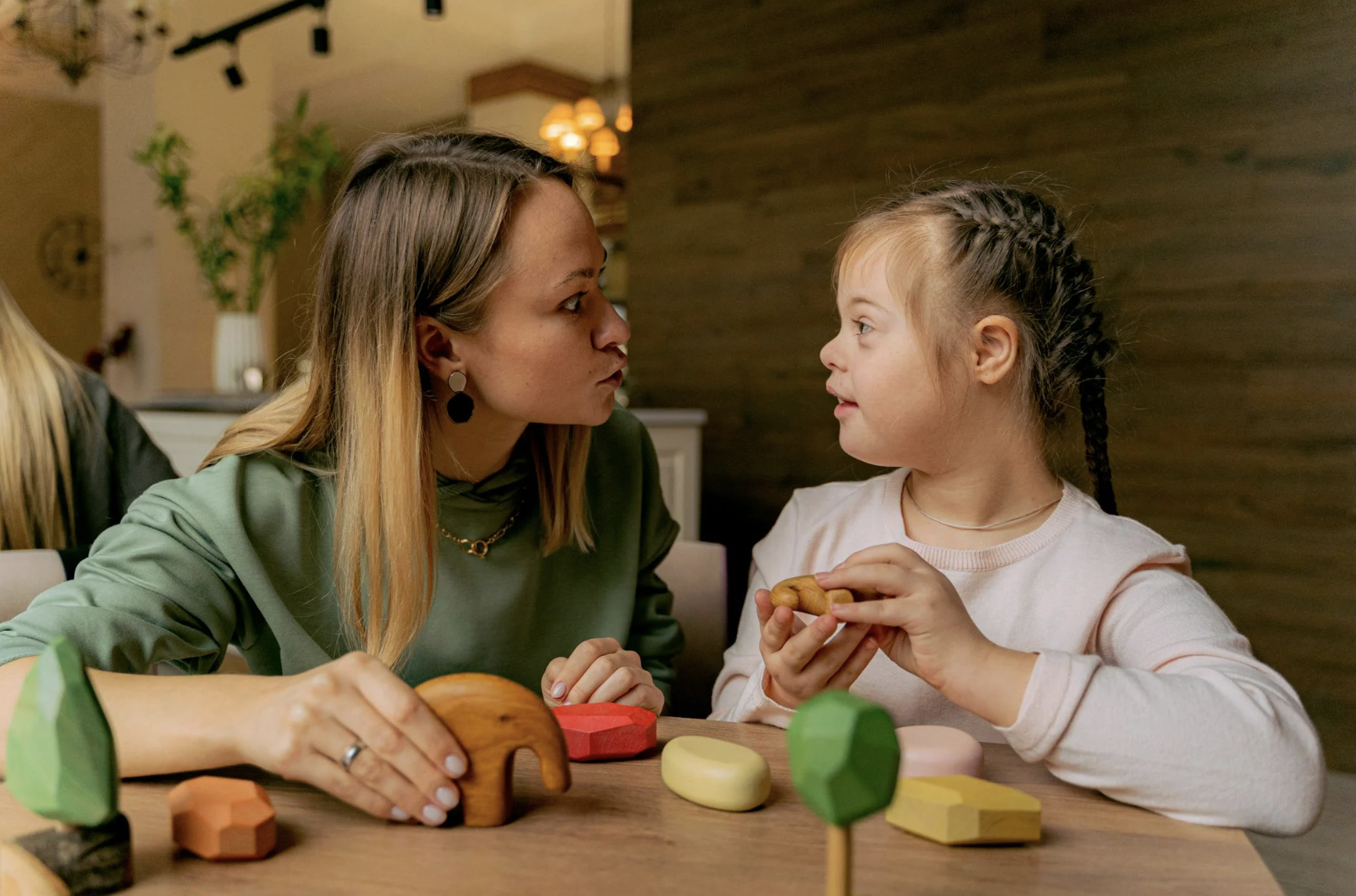 What is a Multidisciplinary Approach?
If your child is showing persistent challenges with social interaction, communication, or repetitive behaviors, a multidisciplinary autism care approach is recommended. This involves a coordinated team of specialists, including pediatricians, psychologists, speech-language pathologists (SLPs), and occupational therapists (OTs), working together to address all areas of development.
Signs Your Child May Benefit from Multidisciplinary Care
- Communication Struggles: No babbling by 12 months, no single words by 16 months, or regression in language or social skills.
- Social Challenges: Limited eye contact, lack of interest in peers, or poor joint attention.
- Repetitive Behaviors: Rigid routines, intense focus on object parts, or repetitive movements like hand-flapping.
- Sensory Sensitivities: Strong negative reactions to sounds, textures, or smells.
How ABA, Speech Therapy, and OT Work Together
Combining ABA and speech therapy with ABA and OT together creates a comprehensive, multidisciplinary approach that treats the “whole child.” This coordinated model supports:
- Holistic Development: Unified strategies reduce confusion and ensure consistency across therapists.
- Faster Skill Acquisition: Collaborative planning helps children reach developmental milestones more quickly.
- Generalization of Skills: Children learn to apply communication, behavioral, and daily living skills in multiple environments, such as home, school, and the community.
- Improved Daily Functioning: OT addresses fine/gross motor skills and sensory processing, while ABA provides behavioral support, and Speech Therapy enhances communication.
- Family Empowerment: Parents receive consistent guidance and strategies to reinforce progress at home.

Joint Therapy in Practice: How Building Communication and Fine Motor Skills Can Look
Scenario: A child is learning to request a toy, such as a puzzle, to reduce frustration while improving fine motor skills.
Occupational Therapist (OT) – Sensory & Motor Support:
- Ensures proper posture and stability, possibly using a therapy ball for sensory regulation.
- Guides the child to use a pincer grasp to pick up puzzle pieces from textured surfaces, promoting fine motor development.
Speech-Language Pathologist (SLP) – Communication Support:
- Prompts the child to say “puzzle” or use a picture card / AAC device to request the next piece.
- Focuses on building verbal skills and functional communication.
ABA Therapist – Behavior & Reinforcement:
- Monitors for task avoidance or frustration behaviors.
- Provides immediate positive reinforcement (praise, high-fives) when the child successfully requests the puzzle and completes the motor task.
- Tracks progress using data to ensure consistent skill acquisition and engagement.
Key Benefits of a Collaborative Session
- Consistent Data & Terminology: All therapists track progress using the same language and methods.
- Faster Skill Generalization: Skills practiced in therapy transfer more easily to home, school, and community settings.
- Holistic Support: Communication, behavior, and motor challenges are addressed simultaneously, ensuring the child receives integrated care.
A multidisciplinary approach like this, combining ABA, speech therapy, and occupational therapy, maximizes learning and functional growth for children with autism.

How to Access a Multidisciplinary Approach to Autism
Accessing multidisciplinary autism care means bringing together a team of specialists, psychologists, speech-language pathologists, occupational therapists, and behavior analysts to create a coordinated, individualized treatment plan. You can achieve this by working with specialized clinics, using insurance resources, and actively sharing information among providers to ensure your child receives holistic support.
Key Steps to Access Multidisciplinary Care
- Start with a Comprehensive Assessment: Begin with a full evaluation from a multi-disciplinary team (MDT), which may include pediatricians, psychiatrists, and psychologists, to assess all areas of development.
- Assemble Core Specialists: A strong team typically includes:
- Speech-Language Therapists (SLP): Address communication challenges.
- Occupational Therapists (OT): Support sensory, motor, and daily living skills.
- Behavior Analysts (BCBA): Understand behavior patterns and teach functional skills.
- Psychologists/Psychiatrists: Focus on emotional regulation and cognitive development.
- Special Educators or School Specialists: Ensure academic and classroom support.
- Use Wrap-Around Services: Look for centers or clinics that offer integrated care under one roof, such as developmental pediatric centers or neurodiversity-focused clinics.
- Coordinate Communication: Act as the central hub for your child’s care by sharing reports and progress notes between specialists. Request joint or regular meetings to align strategies.
- Develop a Unified Plan: Ensure all team members work toward shared goals, like consistent communication methods in home, school, and therapy sessions.
- Leverage Technology: Use shared digital folders to store therapy notes, reports, and video examples, so every specialist stays informed, and interventions remain consistent.
- Focus on Functional, Individualized Care: Tailor interventions to your child’s specific needs rather than following a standardized, high-intensity approach.
If this process feels overwhelming, reach out to us for professional guidance in Utah.
What to Look for in a Utah Autism Services Team
- Comprehensive Assessment: Input from multiple specialists to create a complete understanding of your child’s needs.
- Unified Treatment Plan: Integration of ABA with speech therapy and occupational therapy.
- Integrated Sessions: Therapists may co-treat by combining sensory integration (OT) with communication activities (SLP) and behavioral strategies (ABA).
- Active Parental Involvement: Families are trained and supported to consistently implement strategies.
Key Benefits of a Multidisciplinary Autism Approach
A multidisciplinary approach, combining ABA, speech therapy, and occupational therapy, offers numerous advantages for children with autism and their families:
- Improved Treatment Outcomes: Coordinated care ensures strategies are consistent across therapies, allowing skills learned in speech therapy or ABA sessions to be reinforced at home, school, and other environments.
- Comprehensive Assessment & Care: A full team identifies underlying challenges, medical, sensory, or communicative, that may influence behavior, addressing root causes rather than just symptoms.
- Enhanced Skill Development: Children acquire functional abilities in communication, social interaction, and daily living, promoting independence and self-confidence.
- Reduced Overstimulation & Stress: A synchronized team approach creates a secure, predictable environment, helping children feel safe and engaged during therapy.
- Stronger Family Support: Parents are actively involved in the collaborative process, ensuring interventions are practical, consistent, and fit into daily routines.
- Holistic Development: By targeting cognitive, sensory, and motor needs together, the child’s overall growth and well-being are prioritized, not just isolated skills.
With a multidisciplinary autism care team, children make faster progress, smoother skill generalization, and a more integrated path toward independence and success.
With multidisciplinary autism care in Utah, children with complex needs spanning behavioral, motor, sensory, and communication areas receive coordinated, effective treatment. Contact us to take the first step toward a multidisciplinary approach to autism.

Frequently Asked Questions (FAQs) – Multidisciplinary Autism Care Utah
- What is a multidisciplinary approach to autism care?
A multidisciplinary approach involves a coordinated team of specialists, such as ABA therapists, speech-language pathologists (SLPs), occupational therapists (OTs), psychologists, and pediatricians, working together to address behavioral, communication, motor, sensory, and cognitive needs. This ensures the child receives holistic, integrated care rather than isolated interventions.
- How do ABA, speech therapy, and occupational therapy work together?
When combined, ABA, speech therapy, and OT create a comprehensive plan that targets communication, daily living skills, behavior, and sensory challenges simultaneously. Collaborative sessions and shared goals allow skills learned in therapy to generalize across home, school, and community settings.
- How can I tell if my child may benefit from a multidisciplinary approach?
Signs include:
- Limited or delayed speech
- Difficulty with social interaction or joint attention
- Repetitive behaviors or rigid routines
- Sensory sensitivities to textures, sounds, or lights
- If these challenges persist, a multidisciplinary evaluation is recommended.
- How do I access multidisciplinary autism care in Utah?
Start by seeking a comprehensive assessment from a developmental pediatric center or clinic offering integrated care. Assemble a team of specialists, coordinate communication among them, develop a unified treatment plan, and leverage technology (like shared digital folders) to keep progress aligned.
- What are the benefits of multidisciplinary autism care?
- Faster skill acquisition and generalization
- Holistic development across communication, motor, and cognitive domains
- Reduced overstimulation and improved engagement
- Stronger family support with consistent strategies
- Improved daily functioning and independence for the child
- Can parents be involved in a multidisciplinary approach?
Yes! Active parental involvement is essential. Parents participate in planning, receive guidance on reinforcing skills at home, and help ensure therapy strategies are applied consistently across all environments.

