

Key Points:
- Flexible, Home-Based Therapy: Virtual ABA brings expert behavioral support into your home via secure video, eliminating long commutes and scheduling challenges.
- Family-Centered Approach: Parents actively participate in sessions, learning strategies in real time while supporting their child’s skill development and behavior management.
- Proven Effectiveness: Research shows telehealth ABA can achieve results comparable to in-person therapy, improving social skills, communication, and independence in children with autism.

What Is Virtual ABA Therapy?
Research shows that virtual ABA therapy is an innovative and effective form of Applied Behavior Analysis (ABA) delivered remotely via secure video platforms.
This approach allows Board Certified Behavior Analysts (BCBAs) to provide treatment, parent coaching, and supervision, using technology to support skill development, reduce challenging behaviors, and foster independence in children with autism.
By leveraging telehealth ABA, families can access expert-led care in their home without geographical limitations, making online therapy a flexible, effective, and family-centered solution.
Key components include:
- Active Parental Involvement: Parents act as the “hands” of the therapist, implementing strategies and receiving real-time guidance.
- Methodologies: Sessions incorporate video coaching, interactive games, structured activities, and digital tools to keep children engaged.
- Effectiveness: Research shows telehealth ABA can be as effective as in-person therapy for many children, particularly in improving social skills and independence.
- Flexibility & Accessibility: Families in rural areas or with immunocompromised children can access services without travel.
- Tailored Programs: Includes regular assessments, task analysis, and behavioral shaping customized to each child’s needs.
Who Can Benefit from Virtual ABA?
Virtual ABA is ideal for:
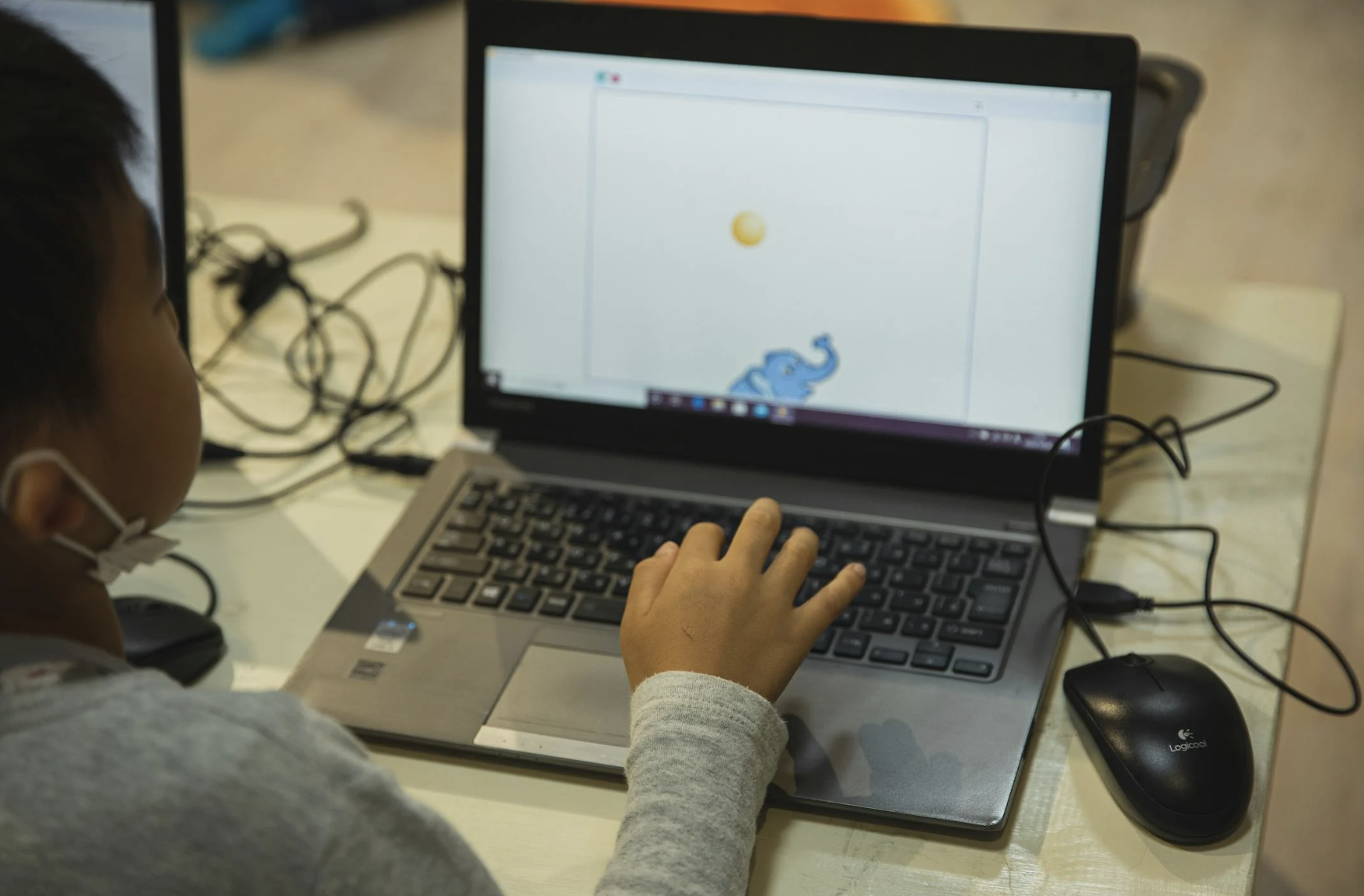
- Children with Autism: Particularly those with mild-to-moderate needs who can engage with screens. Focus areas include communication, social skills, and daily living routines.
- Families in Remote Areas: Eliminates long commutes and waiting lists for in-person therapy.
- Parents Needing Coaching: Provides real-time, remote guidance for caregivers to implement behavioral strategies.
- School-Aged Children and Teens: Engaging activities, sometimes including VR simulations, support social skills and behavioral learning.
The Virtual ABA Therapy Process
A typical telehealth ABA program follows a structured, family-centered approach:
1. Intake & Assessment (1–2 Weeks)
- Parents meet with a BCBA for an initial 15-minute consultation and a 60–90 minute virtual assessment.
- The BCBA evaluates behavioral needs, sets individualized goals, and plans sessions.
2. Technology Check & Setup
- A brief tech check ensures high-speed internet, stable audio/video, and device readiness.
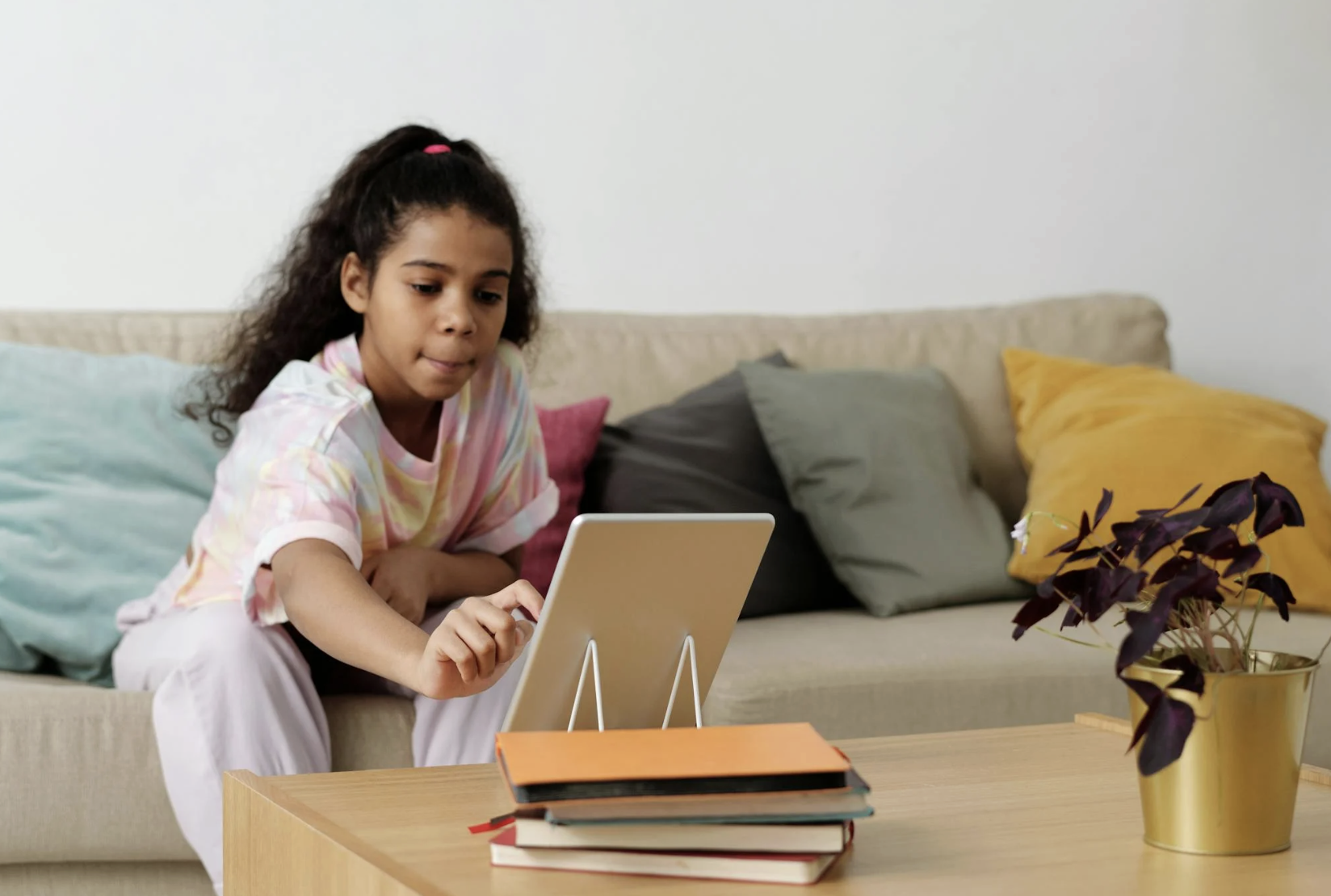
- Required tools may include a laptop, tablet, or a prompter to assist the child.
3. Session Delivery
Sessions are structured for engagement and skill development:
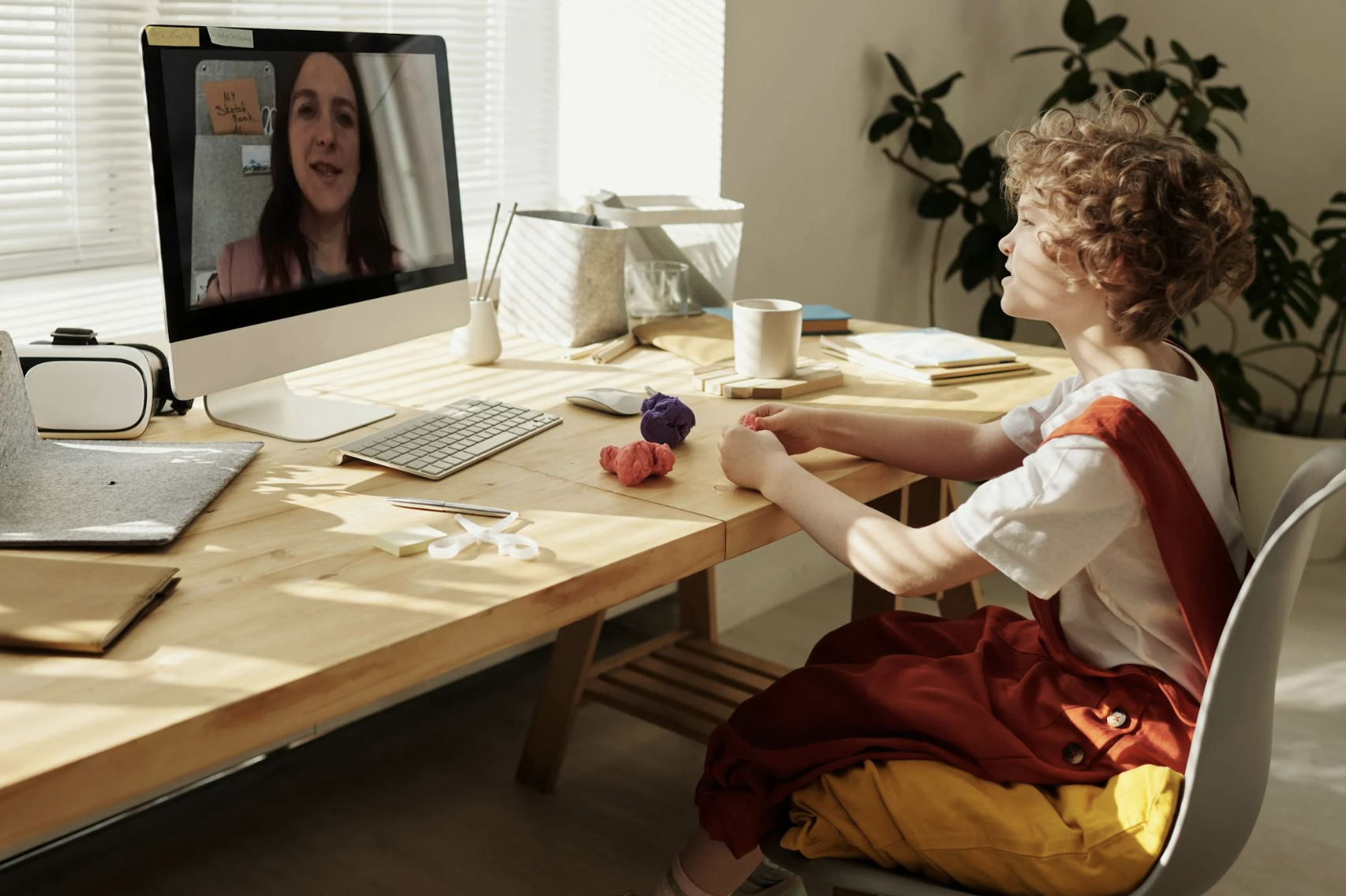
- Direct Therapy: The therapist works directly with the child using interactive tools like virtual whiteboards or games.
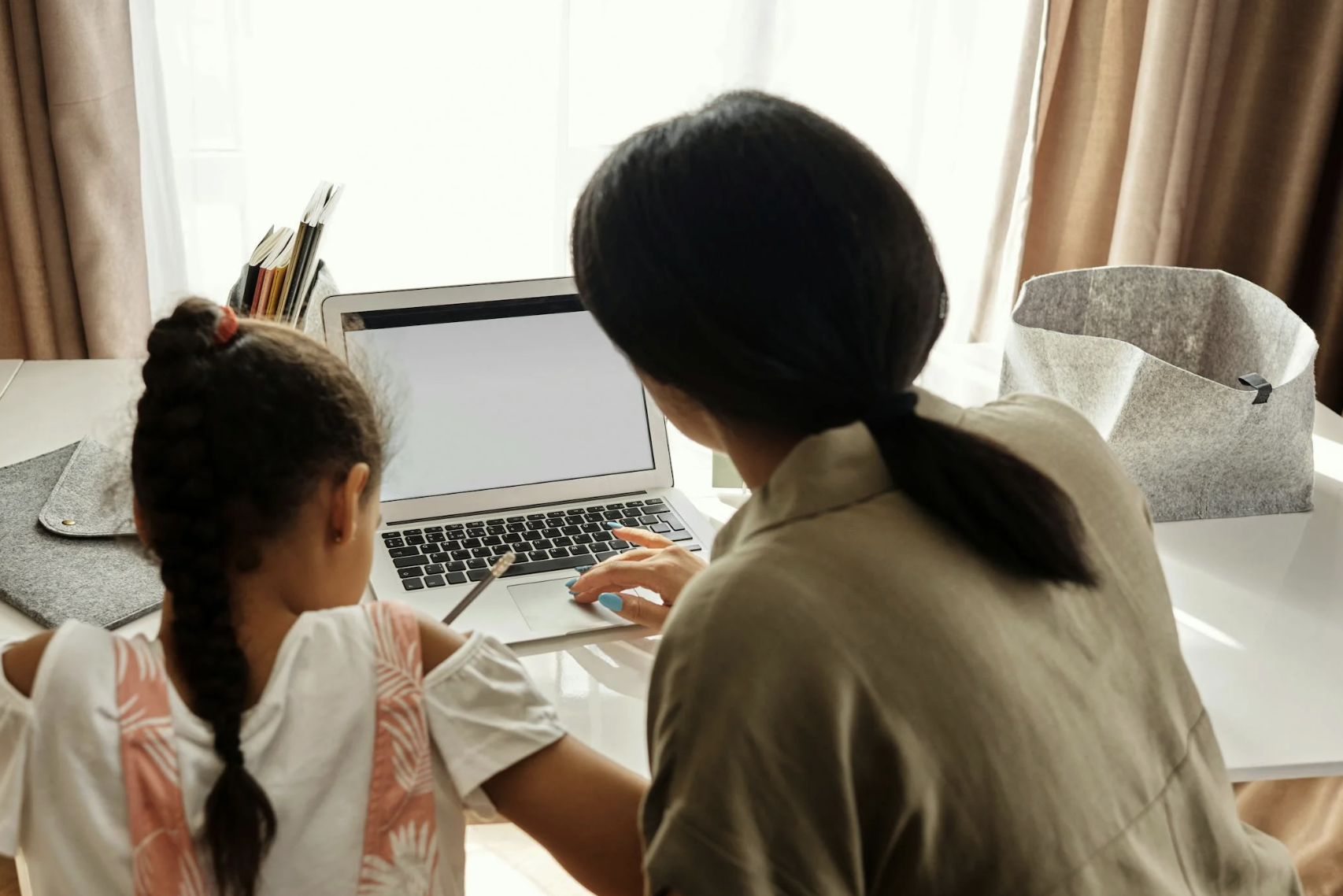
- Parent/Caregiver Coaching: Using Behavior Skills Training (BST), therapists model strategies, provide feedback, and support skill implementation.
- Behavior Management: Therapists maintain attention through play-based, high-energy activities and provide prompt positive reinforcement.
- Data Collection & Review: Progress is tracked digitally and used to adjust goals and interventions.
4. Example of a 60-Minute Telehealth Session
- 0–5 min: Check-in, visual schedule review, and rapport-building game.
- 5–15 min: Discrete Trial Training (DTT) with flashcards or prompts.
- 15–20 min: Break or movement activity.
- 20–40 min: Functional play or activity emphasizing communication and social skills.
- 40–50 min: Replacement behavior training, coaching parents on alternative communication strategies.
- 50–60 min: Clean-up, reward delivery, and caregiver progress discussion.
Requirements for Success
Successful virtual ABA therapy relies on:
- Active Parental Involvement: Caregivers act as on-site facilitators, implementing strategies in real time.
- Stable Technology: High-speed internet and reliable audio/video equipment are essential.
- Child Readiness: The ability to engage with screens for 10–15 minutes is crucial.

Benefits of Telehealth ABA
Virtual ABA therapy provides numerous advantages:
- Greater Accessibility & Convenience: Removes geographical barriers, enabling families to access specialists without travel.
- Increased Parental Involvement: Caregivers learn techniques directly from BCBAs, gaining confidence and skill in managing behaviors.
- Improved Skill Generalization: Children learn in their natural home environment, improving daily life.
- Flexibility & Cost Savings: Scheduling is more flexible and reduces travel expenses.
- High Effectiveness: Studies show telehealth ABA achieves outcomes comparable to in-person therapy, including reductions in challenging behaviors.
- Continuity of Care: Less disruption due to illness or scheduling conflicts.
Choosing Between Telehealth ABA and In-Home ABA
Families seeking Applied Behavior Analysis (ABA) therapy have two main options: telehealth ABA (virtual) and in-home ABA (in-person).
Each has unique advantages depending on your child’s needs, family schedule, and caregiving capacity. Both approaches aim to support skill generalization and positive behavior, but they differ in delivery, parental involvement, and flexibility.

Telehealth ABA (Virtual)
Best For: Families in rural areas, those with scheduling conflicts, or situations where parent-led coaching is preferred.
Pros:
- High flexibility and convenience
- Reduced travel and lower costs
- Access to specialized BCBAs
- Parent coaching and training in real time
- Reduced stress for children who may be anxious with in-home therapists
Cons:
- Requires consistent parental involvement
- Relies on stable internet and technology
- Limited direct, hands-on intervention for high-intensity behaviors
Ideal When:
- Parents are motivated to implement strategies with guidance from a BCBA
- The child can engage with a screen for the duration of the session
- Flexible scheduling is a priority
- The child may feel anxious with a therapist physically present
 In-Home ABA (In-Person)
Best For: Children needing direct, hands-on intervention or when parents cannot consistently implement therapy.
Pros:
- Direct, in-person prompting and behavior management
- Builds rapport in the child’s natural environment
- Effective for managing high-intensity or challenging behaviors
- Less direct caregiver time required
Cons:
- Higher costs
- Scheduling and travel can be challenging
- Less flexibility for busy families
Ideal When:
- The child requires immediate, hands-on behavioral intervention
- Younger children or those with limited screen focus
- Skills are best learned in the exact environment where they will be used (e.g., brushing teeth in the bathroom)
 Factors to Consider When Choosing
- Child’s Learning Style: Does your child respond better to hands-on interaction, or can they focus on a screen?
- Parental Capacity: Are you able and willing to implement therapy under guidance?
- Home Environment: Is there a quiet, distraction-free space for telehealth sessions?
- Insurance Coverage: Confirm whether both telehealth and in-home ABA are covered.
- Technology Readiness: Ensure reliable internet, camera, and microphone for telehealth sessions.
Hybrid Approach
Many families find a combination of both modalities works best. For example, in-person sessions are used for high-intensity interventions, while telehealth supports parent training, BCBA supervision, and flexible scheduling. A hybrid model can maximize accessibility, effectiveness, and skill generalization.
Where to Find Telehealth ABA in Utah
Our Telehealth ABA option lets you access Board Certified Behavior Analysts remotely via secure video conferencing, often for:
- Parent coaching and training
- Behavior consultations and assessments
- Skill‑building sessions for communication, social, and daily living skills
- Goal planning and data review
This flexibility can be ideal for families with busy schedules, long commutes, or limited local services. Many clinics will tailor telehealth plans to your child’s needs and family routines. Just ask when you schedule your first appointment.
Ready to Get Started?
Contact us today to learn about their telehealth ABA options, schedule a virtual intake, and begin therapy from the comfort of your home!
 FAQs
FAQs
- What is virtual ABA therapy?
Virtual ABA therapy is Applied Behavior Analysis (ABA) delivered remotely via secure video platforms. It allows Board Certified Behavior Analysts (BCBAs) to provide treatment, parent coaching, and supervision while helping children develop skills, reduce challenging behaviors, and increase independence, all from home.
- Who can benefit from telehealth ABA?
Children with autism, especially those with mild-to-moderate needs who can engage with screens, benefit most. Families in remote areas, parents seeking coaching, and school-aged children or teens working on social and daily living skills can also gain from virtual ABA.
- How does a typical virtual ABA session work?
Sessions are structured to include: check-in and rapport building, skill training (like Discrete Trial Training or functional play), replacement behavior practice, and parent coaching. Progress is tracked digitally and used to guide future sessions.
- What equipment or setup is required for telehealth ABA?
You need a stable high-speed internet connection, a device with video and audio capabilities (laptop or tablet), and a caregiver to assist the child during sessions. A brief technology check is conducted before therapy begins.
- How involved do parents need to be?
Parental involvement is critical. Caregivers act as on-site facilitators, implementing strategies under the guidance of the BCBA. This hands-on approach ensures therapy is effective and helps parents gain confidence in supporting their child’s growth.
- Are telehealth ABA outcomes as effective as in-person therapy?
Yes. Research indicates that virtual ABA can be as effective as in-person therapy for many children, producing similar improvements in social skills, communication, and independence.
- How do I get started with virtual ABA in Utah?
Contact an ABA provider offering telehealth services to schedule a virtual intake. Your BCBA will assess your child’s needs, set goals, and create a tailored plan for online therapy, parent coaching, and skill-building sessions.

