


Key Points:
- Early Start Matters: Beginning ABA therapy between ages 1 and 3 harnesses the brain’s neuroplasticity, promoting faster and more effective learning.
- Play-Based, Individualized Approach: Therapy uses structured play, positive reinforcement, and personalized programs to teach communication, social, and daily living skills.
- Family Involvement Is Crucial: Parent training ensures skills learned in sessions carry over to everyday life, promoting long-term developmental success.

What Is Early Intervention ABA Therapy?
Research shows that early intervention, Applied Behavior Analysis (ABA), is a highly effective, evidence-based toddler therapy designed for young children, typically one to three years old, to build communication, social, and daily living skills. With an early start, ABA leverages the brain’s natural neuroplasticity to help toddlers learn faster and more effectively during critical developmental years.
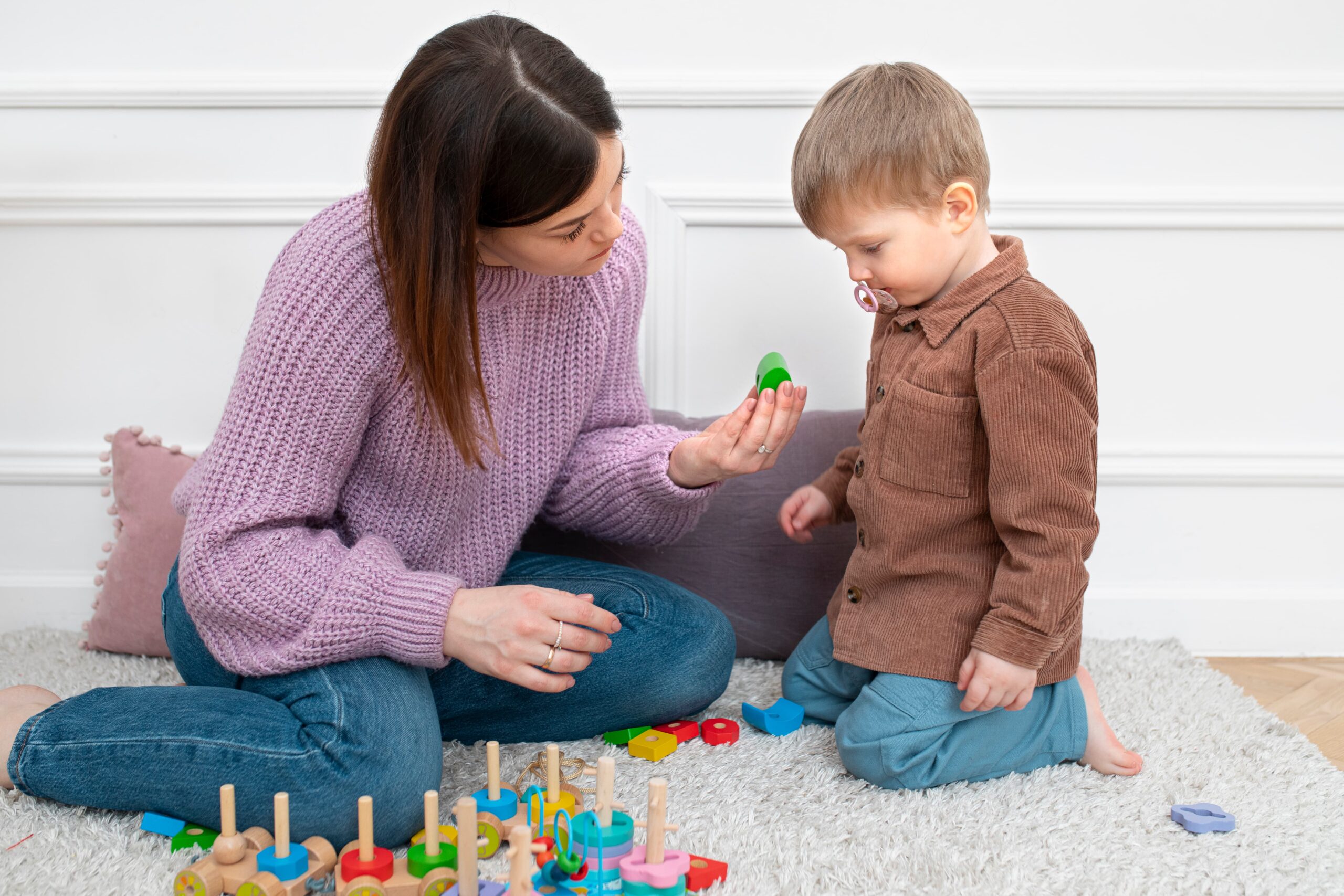
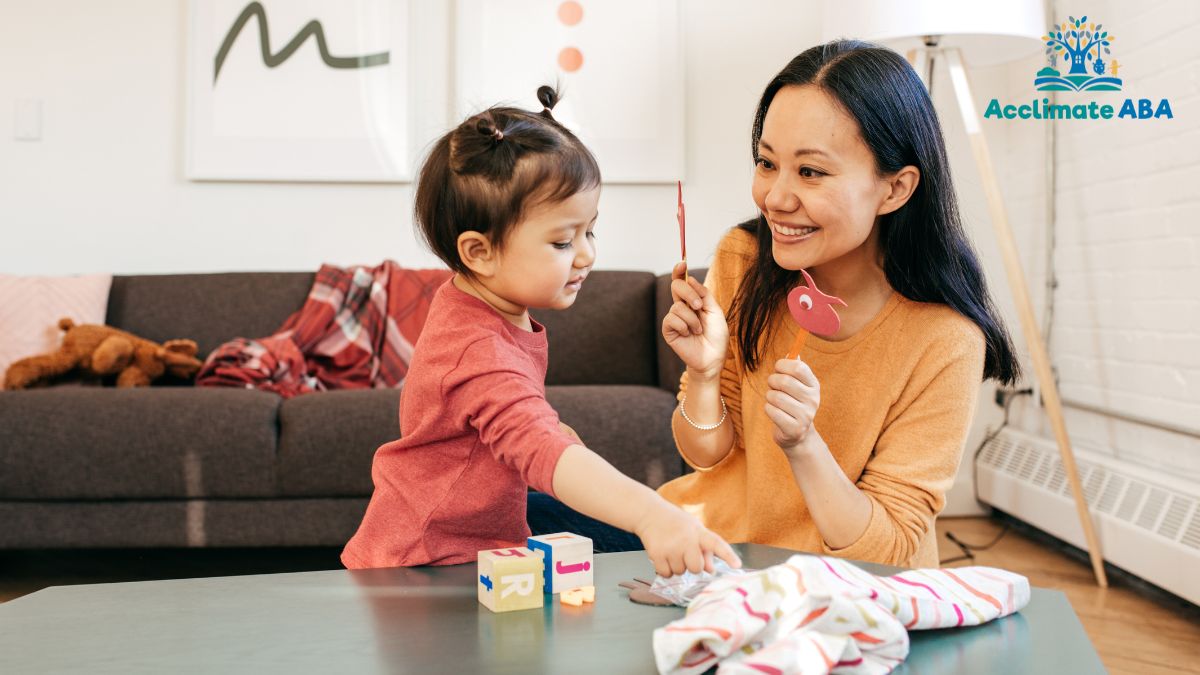
ABA for toddlers is a play-based, individualized approach that focuses on teaching essential skills through positive reinforcement. Sessions usually last one to three hours and can take place at home, in a clinic, or in community settings. Rather than rigid instruction, therapy feels like structured play, using toys, games, and everyday routines to keep children engaged while learning.
The Early Intervention ABA Process
Understanding the process helps parents know exactly what to expect when starting toddler therapy (ages 1–3).
1. Referral & Consultation
Parents typically begin by consulting a pediatrician or specialist to determine whether ABA is appropriate for their child.
2. Assessment & Goal Setting
A Board Certified Behavior Analyst (BCBA) conducts a comprehensive evaluation to identify:
- Strengths
- Areas of need
- Developmental goals
3. Individualized Treatment Plan
Based on the assessment, a personalized plan is created focusing on:
- Communication
- Social interaction
- Play skills
- Self-care
Family priorities and routines are incorporated into the plan.
4. Intensive Therapy Sessions
- Typically 10–25+ hours per week
- Sessions last 1–3 hours
- Combine play-based learning with structured teaching methods
5. Data Collection & Progress Monitoring
Therapists collect data during every session to:
- Track progress
- Adjust goals
- Ensure continuous improvement
6. Parent Training & Collaboration
Caregivers are trained to:
- Reinforce skills at home
- Maintain consistency
- Support long-term success

What to Expect in Early Intervention ABA
Play-Based Learning
Sessions are interactive and engaging, often happening on the floor rather than at a table. Therapists use toys, music, and games.
Highly Personalized Programs
Each child’s program is tailored based on:
- Interests
- Developmental level
- Strengths and challenges
Social Skills
- Turn-taking
- Joint attention
- Interaction
Imitation
- Copying sounds
- Actions
- Play
Adaptive Skills
- Toilet training
- Feeding
- Dressing
Positive Reinforcement
Desired behaviors are encouraged using:
- Praise
- Favorite toys
- Fun, motivating activities
Communication
A primary goal of toddler therapy (ages 1–3) is helping children express their needs, which often reduces:
- Tantrums
- Frustration
- Challenging behaviors
Parent Involvement
Caregivers play a key role through:
- Observation
- Coaching
- Hands-on training
This ensures skills are practiced consistently beyond therapy sessions.

Why Early Intervention (Ages 1–3) Matters
Neuroplasticity
With an early start, young brains are more adaptable, making learning:
- Faster
- More effective
- Long-lasting
Long-Term Impact
Starting toddler therapy early can:
- Build strong developmental foundations
- Reduce the need for more intensive support later
- Improve school readiness
Common ABA Techniques Used (Ages 1–3)
Pivotal Response Training (PRT)
A child-led approach that focuses on:
- Motivation
- Self-management
- Natural learning opportunities
Discrete Trial Training (DTT)
A structured teaching method that:
- Breaks skills into small, manageable steps
- Uses repetition and reinforcement
- Builds foundational abilities
Natural Environment Teaching (NET)
Skills are taught during everyday activities such as:
- Snack time
- Playtime
- Outings
This helps children apply skills in real-life situations.

What Does a Typical ABA Session Look Like?
Early intervention sessions are high-energy, engaging, and varied to match a toddler’s attention span.
Example 60-Minute Session
0:00–0:10 | Pairing & Rapport Building
The therapist builds trust through fun, child-led activities like playing with toys or blocks.
0:10–0:25 | Natural Environment Teaching (NET)
Skills are taught through play—for example, prompting a child to request bubbles.
0:25–0:40 | Structured Learning (DTT)
Short, focused activities such as:
- Matching shapes
- Sorting colors
- Identifying pictures
0:40–0:50 | Fine Motor & Functional Play
Activities to build coordination, including:
- Using tongs
- Playing with putty
0:50–1:00 | Transition & Clean-Up
Teaches routines and transitions with guidance and positive reinforcement.
Common Techniques in Action
- Positive Reinforcement: Rewarding desired behaviors immediately
- Functional Communication Training (FCT): Teaching alternatives to challenging behaviors (e.g., saying or signing “help”)
- Modeling: Demonstrating actions like turn-taking to encourage imitation
 Benefits of ABA for Toddlers
Improved Communication
Children learn to express their needs, reducing frustration and tantrums.
Enhanced Social Skills
Supports:
- Interaction
- Play skills
- Peer relationships
Increased Independence
Builds daily living skills such as:
- Dressing
- Toileting
- Self-care
Reduction in Challenging Behaviors
Therapists identify behavior triggers and teach positive alternatives.
Long-Term Developmental Gains
Early intensive intervention can lead to:
- Improved cognitive skills
- Greater independence
- Ability (for some) to transition into mainstream classrooms
Family Support & Training
Parents gain tools to:
- Support development daily
- Strengthen family relationships
- Maintain consistency across environments
Start Early Intervention ABA Therapy in Utah With Acclimate ABA
Early intervention ABA for toddlers (ages 1–3) is more than just therapy; it’s a powerful foundation for lifelong learning and independence. Through a play-based approach, personalized care, and strong parent involvement, an early start can make a meaningful difference in a child’s development.
If you’re considering toddler therapy, starting early can help unlock your child’s full potential during the most important years of growth. At Acclimate ABA, our BCBAs can help get an early start with your toddler. Contact us today.
 FAQs
FAQs
- At what age is ABA therapy best started?
ABA therapy is most effective when started early, typically between ages one and three, because young brains have high neuroplasticity, allowing skills to develop faster and more effectively.
- How long are ABA sessions for toddlers?
Sessions last 1–3 hours and can occur at home, in a clinic, or in community settings. Frequency may range from a few hours per week to 10–25+ hours for more intensive programs.
- What skills does early intervention ABA target?
Early intervention ABA focuses on building:
- Communication skills: requesting, labeling, and functional language
- Social skills: turn-taking, joint attention, and interaction
- Adaptive skills: feeding, dressing, and toilet training
- Imitation and play skills for cognitive and social development
- Will my toddler enjoy ABA therapy?
Yes! ABA for toddlers is play-based and engaging, using toys, games, music, and everyday routines to make learning feel like structured play rather than formal instruction.
- How involved are parents in ABA therapy?
Parents are an important part of the therapy process. They participate through observation, coaching, and hands-on training, helping ensure skills learned in sessions carry over into everyday life.
- What are the benefits of starting ABA early?
Starting early can lead to:
- Faster skill acquisition and stronger developmental foundations
- Reduced challenging behaviors
- Greater independence in daily living
- Long-term cognitive and social gains
- Improved readiness for school and peer interactions

