


Quick Summary:
- Home sessions help children learn skills inside their daily routines.
- Skills practiced at home often carry over to school and community settings.
- See how our home-based ABA services support families in Salt Lake County.
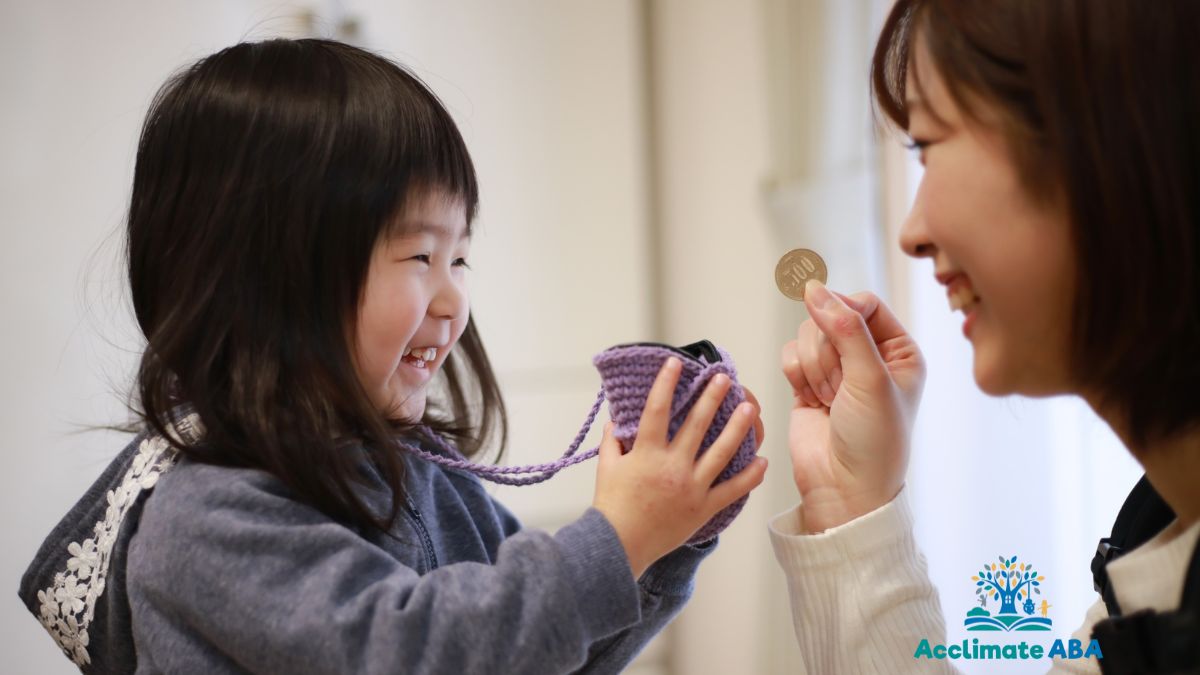
Many families in the southeast Salt Lake Valley face the same question. Should therapy happen at a center or at home? Each option has value. For many children, home offers a head start.
At Acclimate ABA, we bring therapy to families from our office on Cottonwood Parkway. Parents searching for in-home ABA therapy in Cottonwood Heights often want clear answers before they commit. This article covers five ways our approach helps children grow in the place they know best.
1. Learning Happens Inside Everyday Routines
Home holds hundreds of small teaching moments. A therapist can use breakfast to build requesting skills. Getting dressed becomes a lesson in sequencing. Playtime with a sibling turns into practice with sharing.
Key benefits of ABA at home:
- Lower stress: Familiar rooms help many children feel calm enough to learn.
- Meaningful goals: Your BCBA targets skills your family needs each day.
- Parent involvement: You see strategies modeled in your own space.
- More family time: Home-based ABA in Salt Lake County removes the daily commute for families.
- Natural practice: Your child learns with their own cups, toys, and clothes.
Something to Remember: The best place to learn a skill is often the place your child will use it.
2. We Help You Compare Home and Center Settings
Both settings can support progress. The right choice depends on your child’s needs and your family’s schedule. Our team helps you weigh the differences honestly.
| Factor | Therapy at Home | Therapy at a Center |
| Environment | Your child’s own rooms | Structured therapy spaces |
| Travel | None | Regular drives |
| Materials | Everyday household items | Center supplies |
| Parent involvement | Part of most sessions | Often during scheduled meetings |
| Peer contact | Siblings and neighbors | Planned peer groups |
Two examples show the difference:
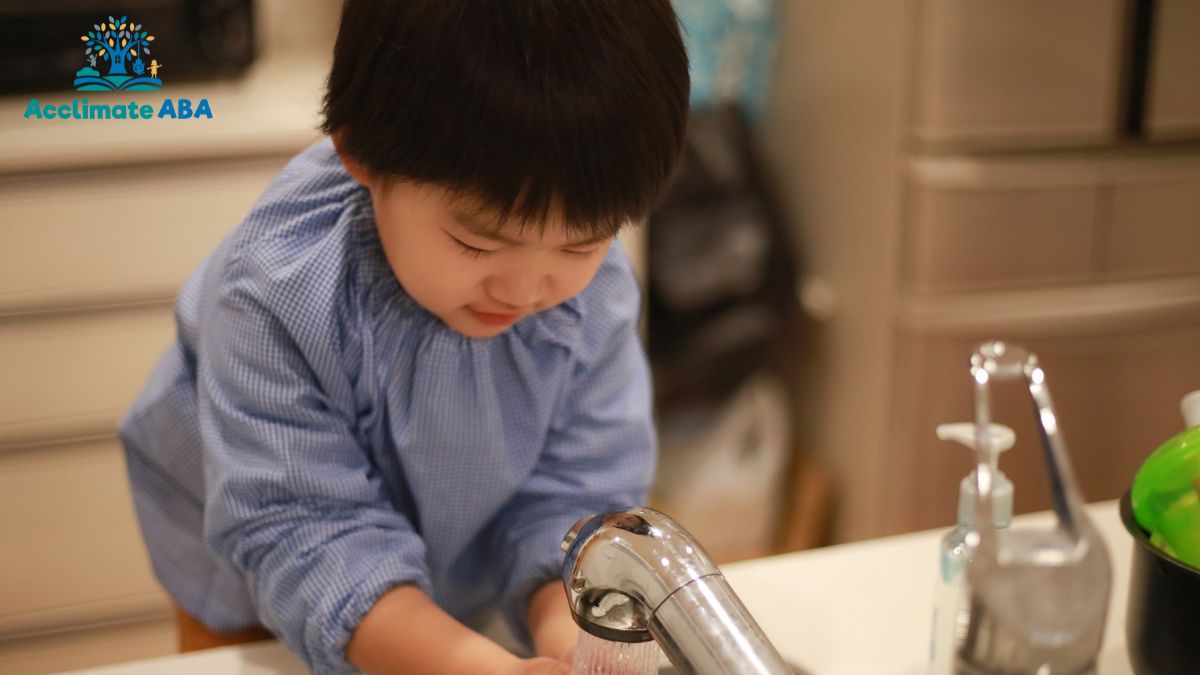
Picture a child learning to wash their hands. At a center, they practice at a clinic sink. At home, they practice at the sink they use every morning. The home version needs no translation later.
Now consider a child who finds dinnertime hard. A center may simulate a snack routine. At home, a therapist can join the family meal itself. Your child works on the moment that matters most to you.
Centers still offer strengths. Some children benefit from structured peer groups. We will tell you if another setting may suit your child better.
Unique Insight From Our Team: In our experience, parents notice changes sooner with home sessions. They watch new skills appear in familiar moments.
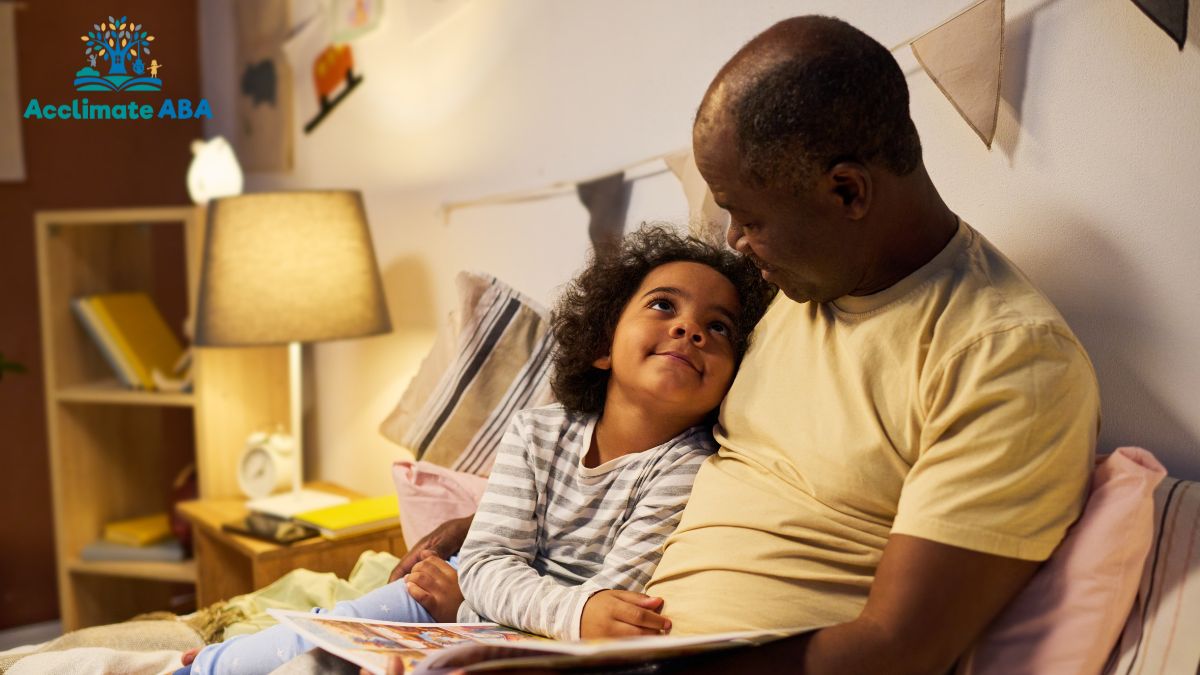
3. Skills Travel Beyond Your Front Door
Behavior analysts use the word generalization. It describes a skill moving from one setting into others. Home therapy gives this process a strong start.
Here is how home lessons can carry into the wider world:
- Kitchen table → classroom: Asking a parent for help becomes raising a hand at school.
- Sibling games → playground: Waiting for a turn at home helps at the swings.
- Bedtime routine → school routine: Following steps at night supports morning arrival at class.
- Greeting visitors → greeting teachers: Saying hello to Grandma builds comfort with new adults.
Consider a child receiving ABA therapy; Holladay UT families rely on. They might first practice greetings with relatives at home. Over time, our therapists help that skill appear at the library or a friend’s house.
We also offer school-based support when a child needs help bridging the gap.
Screenshot for Later: Notice one skill your child uses at home. Watch for it next time you visit a store or park.
4. Support for Many Kinds of Learners
ABA at home suits a wide range of children. Our team supports children with autism. We also help children with ADHD and other developmental delays.
Home sessions may especially help children who:
- Feel overwhelmed in new or busy places
- React strongly to unfamiliar sounds or lights
- Struggle with daily tasks like dressing or bathing
- Need help with transitions between activities
- Learn best with a parent close by
Families benefit too. Home therapy can suit parents with demanding work hours. It also helps households with younger siblings who make travel difficult.
Are you looking for ABA therapy in Murray, UT? An assessment can show whether home sessions fit your child. Our in-home autism services Utah families access always begin with this step.
5. We Prepare Parents and Kids Before Day One
A thoughtful start helps everyone feel more settled. Preparation also gives your child’s therapist useful information from the first visit.
For Parents
- ☐ Gather reports from doctors, schools or past therapists
- ☐ List your child’s favorite toys and snacks
- ☐ Note the hardest times of day
- ☐ Choose a quiet spot with few distractions
- ☐ Ask our team to help review your insurance benefits
For Your Child
- ☐ Show a photo of the therapist if one is available
- ☐ Add “therapy time” to a visual schedule
- ☐ Keep meals and bedtime steady during the first weeks
- ☐ Set aside a few special toys only for sessions
Parent training continues once sessions begin. Your BCBA will show you strategies to use between visits. Whether you live near Cottonwood Parkway or need ABA therapy in Millcreek, UT, these steps work the same way.
Save for Later: Expect the first few sessions to focus on trust. Goal work builds once your child feels comfortable.
Finding the Right Fit Close to Home
Many parents start online with a search like “ABA provider near me Cottonwood Heights.” Distance matters. Trust matters more.
Before choosing, consider these questions:
- Does a BCBA design and oversee the plan?
- How often will you receive progress updates?
- Will you learn strategies to use on your own?
You can meet the team behind our programs to learn how we approach care. For local details on autism therapy Salt Lake City families can access, visit our Salt Lake City ABA therapy page.
We also hire clinicians who share our values. Our careers page explains what we look for in every team member.
Frequently Asked Questions
- Is home ABA as effective as center-based ABA? Both settings can support strong progress. Home sessions offer an advantage for skills tied to daily routines.
- Which areas do you serve? We support families in Cottonwood Heights, Holladay, Murray, Millcreek, and nearby communities. Contact our team to confirm service at your address.
- How many hours of therapy will my child need? Plans typically range from 10 to 40 hours each week. Your BCBA recommends hours after the assessment.
- Will my child’s skills carry over to school? Home practice gives skills a strong foundation. Our therapists also plan for use in other settings.
- Do I need a special room for therapy? No. A quiet corner of your living room or kitchen often works well.
- Can siblings join sessions? Sometimes. Your therapist may include siblings when it supports your child’s goals.
- Where can I read more about ABA? Our monthly blogs for parents and caregivers cover prompting, reinforcement, and other common topics.
Let’s Talk About What Home Could Look Like for Your Child
Every family’s path looks a little different. A short conversation can help you see what home therapy might offer your child.
Our team would be glad to answer your questions. We can also explain the next steps at your own pace.
Reach us by phone at (801) 843-5882.
Send an email to hello@acclimateaba.com.
You can also fill out the contact form on our website. We’ll call you back.

