

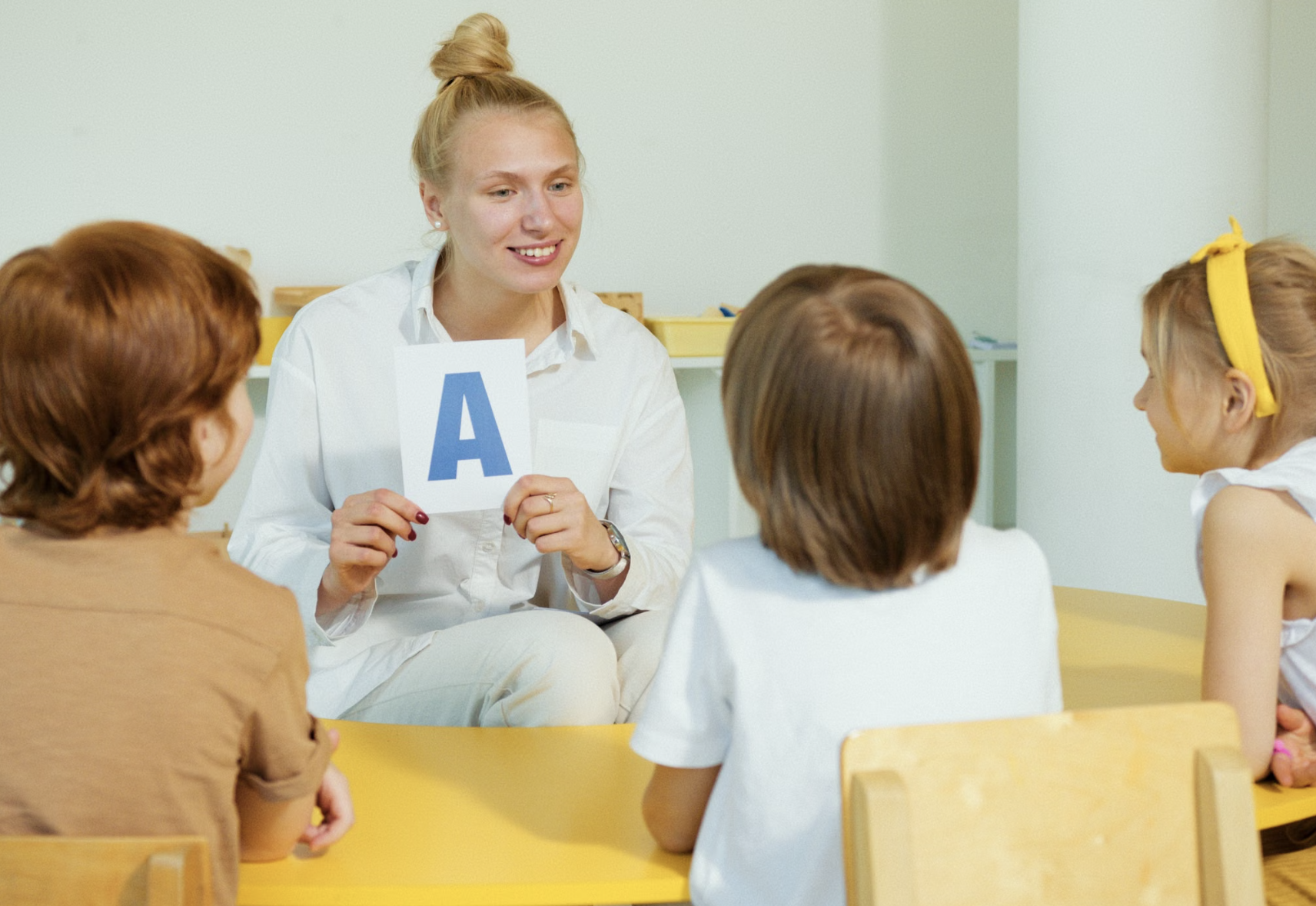
Quick Summary
- Classroom ABA helps students practice social skills, focus, and transitions.
- Skills learned at home give school progress a strong head start.
- Explore our school and home ABA services for Salt Lake County families.
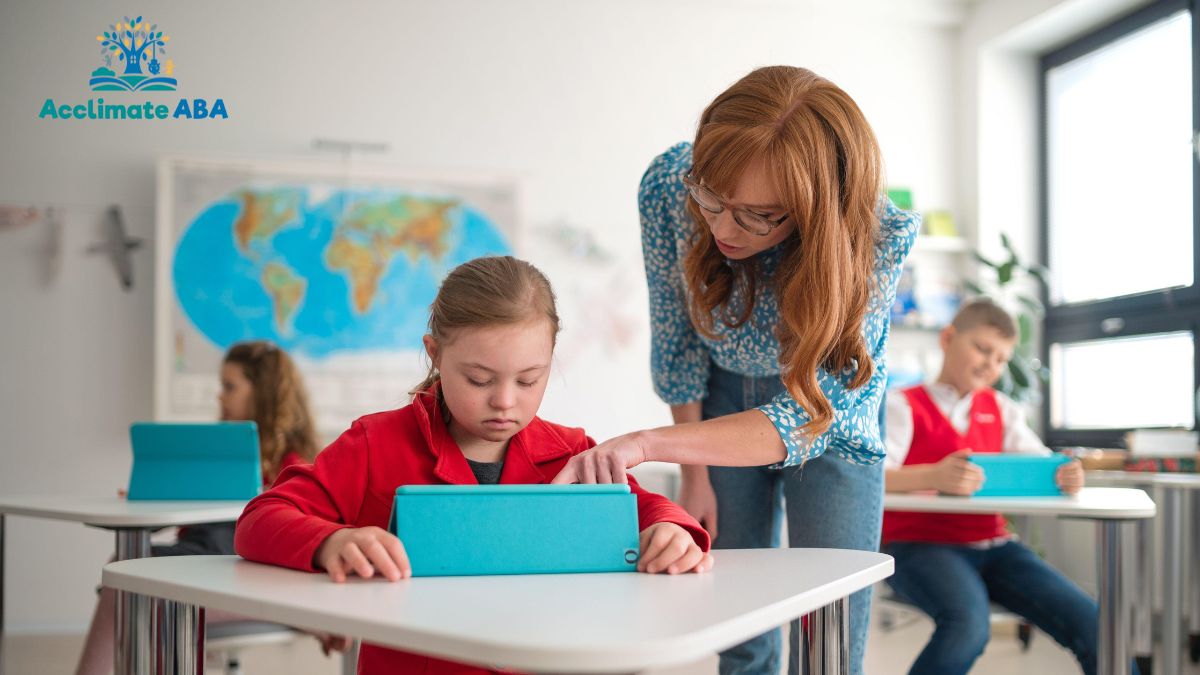
A school day asks a lot of a child. They must follow directions in a noisy room. Lunch brings a crowded table full of unwritten social rules. Each bell signals another change.
For many students with autism, these moments feel heavy. School-based ABA Sandy UT families choose can make them lighter.
At Acclimate ABA, we support students where learning happens. Our goals stay practical. We want your child to make a friend at lunch. We want them to stay with a lesson. We want hard transitions to feel manageable.
What Classroom ABA Looks Like
An ABA therapist in classroom Utah settings works alongside your child during the school day. They do not replace the teacher. Instead, they help your child use skills at the exact moment those skills matter.
A typical visit might include:
- Prompting your child to join a group activity
- Reinforcing calm behavior during a fire drill
- Coaching a greeting with a classmate
- Collecting data on attention during lessons
A Board Certified Behavior Analyst (BCBA) designs every plan. A trained therapist then carries it out with consistency.
5 Ways Our Team Supports Students in Canyons School District
Canyons School District serves Sandy, Draper, and several neighboring communities. Families here look for Canyons School District autism support that fits their child’s school day. Here is how we help.
1. Building Friendships at Lunch and Recess
Social moments often feel the hardest. Our therapists break them into small, teachable steps.
Your child might practice:
- Asking a peer to play
- Joining a conversation already in progress
- Handling a “no” without distress
- Sharing equipment on the playground
Something to Remember: Friendship skills grow through practice with peers. Classroom ABA gives your child that practice daily.
2. Helping Students Stay Focused in Class
Attention takes effort for many students. Our team uses short work periods paired with meaningful rewards. Over time, we stretch those periods gradually.
Visual cues help too. A small card on the desk can remind your child of the next step. Teachers often find these tools easy to keep using.
3. Easing Tough Transitions
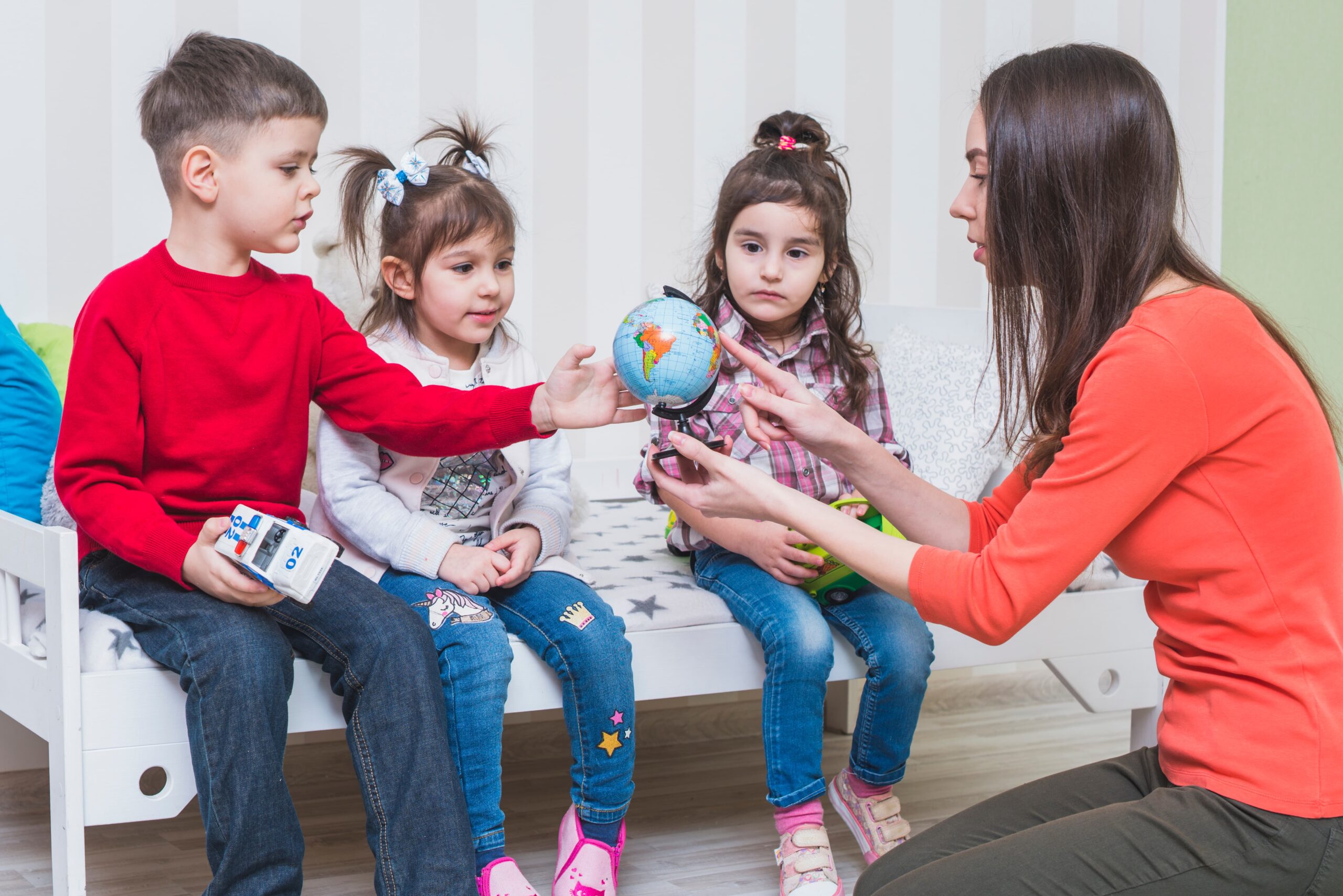
Moving from recess to reading can trigger stress. So can a surprise assembly.
Our therapists prepare students ahead of each change. Common tools include:
- Visual schedules
- Countdown warnings
- First/then language (“First math, then computer time”)
- Calming routines your child already knows
4. Supporting Your Child’s IEP
An Individualized Education Program (IEP) is a written plan for students who qualify for special education. Your child’s school leads it. You help shape it alongside teachers and specialists.
Parents often ask how ABA and IEP Utah plans connect. The school writes the plan. Our team strengthens your voice in the process.
How we help:
- Share session data with your consent
- Join IEP meetings when you invite our BCBA
- Suggest clear behavior and social goals
- Align home goals with classroom goals
Unique Insight From Our Team: In our experience, teachers welcome simple strategies. One clear tool used daily outperforms ten complicated ones.
5. Connecting Home Skills to School
Many families begin with in-home ABA therapy. Those skills become a foundation for the classroom.
Examples of home skills moving into school:
- Board games at home → the lunch line: Waiting for a turn transfers to waiting with classmates.
- “Help please” at the kitchen table → the classroom: Asking a parent becomes asking a teacher.
- Morning picture schedule → the class schedule: Following visual steps feels familiar at school.
- Deep breaths before bed → a noisy assembly: Calming strategies travel with your child.
When the same BCBA oversees both settings, strategies stay consistent. Your child hears the same language at home and at school.
Screenshot for Later: Pick one skill your child uses well at home. Ask our team how to bring it into the classroom.

Home and School ABA: How They Compare
Both settings share the same science. Each one shines in different moments.
What stays the same:
- BCBA oversight and planning
- Positive reinforcement
- Ongoing data collection
- Regular updates for parents
Where they differ:
| Area | Home ABA | School ABA |
| Main setting | Your home and routines | Classroom, lunchroom and playground |
| Common goals | Daily living skills and family routines | Peer interaction and classroom behavior |
| Key partners | Parents and siblings | Teachers and school staff |
| Best for practicing | Dressing, mealtimes, bedtime | Group work, recess, transitions |
Benefits of home ABA:
- Calm, familiar surroundings
- Parent training built into sessions
- Goals tied to family life
Benefits of school ABA:
- Practice with peers in the moment
- Support during the hardest parts of the day
- Shared strategies with teachers
Many children benefit most from both. Our team helps you decide on the right balance.
Who Can Benefit From School Support
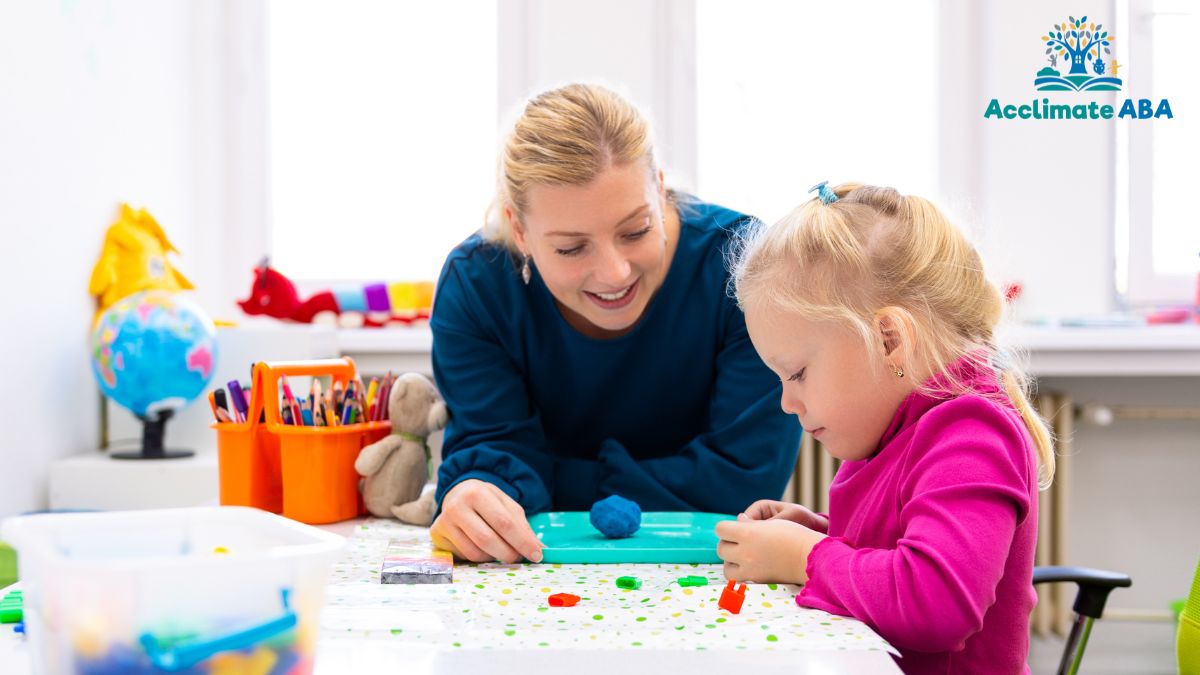
School ABA supports a wide range of learners. Our team works with children with autism. We also support children with ADHD and other developmental delays.
School support may help a student who:
- Struggles to join peers at lunch or recess
- Finds it hard to stay seated during lessons
- Becomes upset during schedule changes
- Has behavior that interrupts learning
- Has an IEP with behavior or social goals
Families seeking autism school support in Sandy, Utah often notice these patterns first through teacher feedback. Others see them in homework struggles or morning stress. Both are good reasons to ask questions.
Save for Later: Write down what your child’s teacher shares. These notes help our BCBA understand the full picture.
How to Get School Support Started
The process feels simpler than many parents expect. Here is how it works with us.
- Reach out to our team: Your first step is to contact Acclimate ABA. We’ll listen to your concerns.
- Review coverage: Our team helps you understand your insurance benefits.
- Complete an assessment: Our BCBA observes your child and identifies goals.
- Coordinate with the school: We help you request classroom access. Each school sets its own approval process.
- Begin sessions: Your child starts support, and you receive regular progress updates.
Families seeking ABA therapy in school Draper, UT follow the same steps. So do families in Sandy and beyond.
Serving Families Across the Valley
Our school ABA services for Salt Lake County families reach well beyond one district. Learn more on our Salt Lake City ABA therapy page.
You can also read about our team and values. We hire clinicians who care about students and families. Our careers page shares what we look for.
For more guides on behavior strategies, visit the Acclimate ABA blog.

Frequently Asked Questions
- Can an ABA therapist attend my child’s school?
In many cases, yes. Each school and district decides whether to approve outside therapists. Our team helps you start that conversation.
- Do you offer ABA therapy Sandy, UT families can use at home too?
Yes. We offer home and school support. Many families combine both.
- Will the therapist work with my child’s teacher?
Yes. With your permission, we share strategies and data with school staff.
- Can your BCBA join an IEP meeting?
Parents can invite our BCBA to IEP meetings. Their input can help shape behavior and social goals.
- Does insurance cover school-based ABA?
Coverage depends on your plan. Our team will review your benefits with you.
- How often will I hear about progress?
You receive regular updates from your BCBA. You can also request a check-in at any time.
- How do I get started?
Reach out through our contact page. We’ll guide you through every step.

Your Child’s School Day Can Feel Lighter: Reach Out to Us
You know when school feels hard for your child. That awareness is the starting point for change.
Our team would welcome a conversation about your child’s classroom experience. We can help you explore what support could look like this school year. Call us at (801) 843-5882 or email hello@acclimateaba.com. You can also fill out the contact form on our website, and we’ll call you back.

