

Key Points:
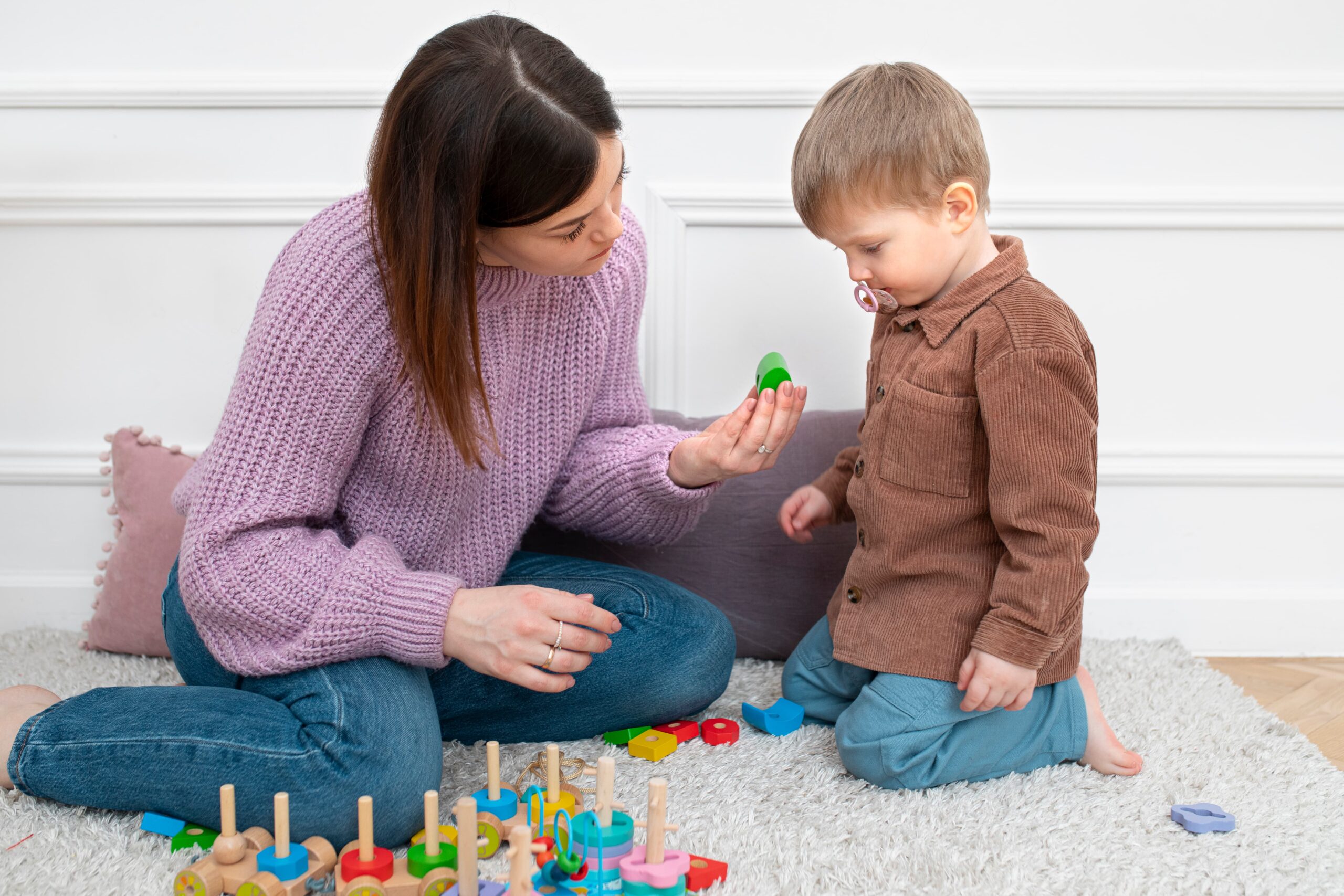
- In-home ABA therapy in Utah builds real-life skills through daily routines at home.
- Learning in natural environments helps children gain independence faster.
- Acclimate ABA focuses on meaningful, individualized progress that carries into everyday life.
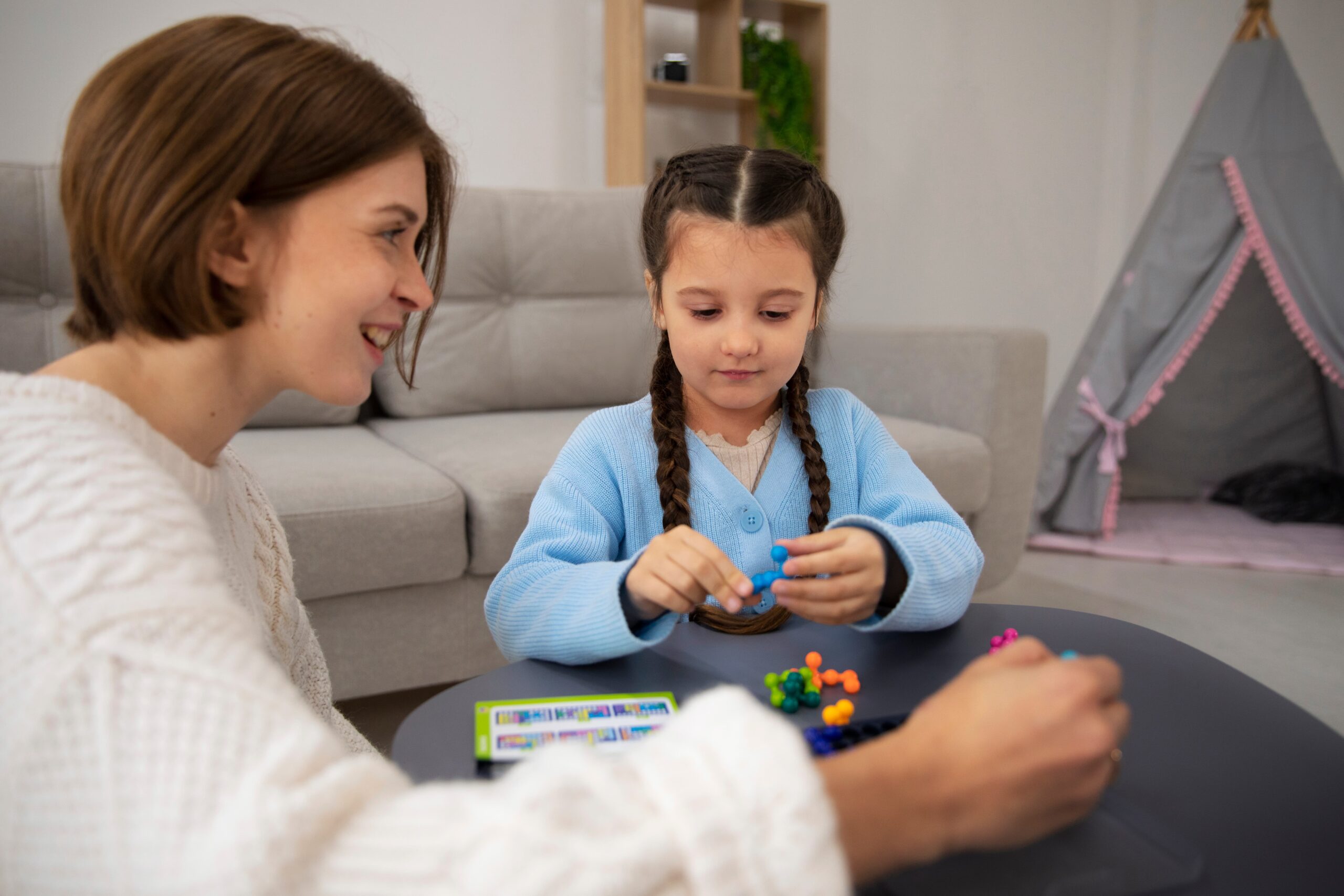
Parents are not just looking for therapy hours on a schedule. They are looking for support that works in the middle of real life, during mornings that feel rushed, mealtimes that get messy, and routines that do not always go as planned. That is where ABA therapy at home can make a real difference, because it meets families right where those everyday moments are happening.
With Acclimate ABA’s in-home autism therapy services, children are not just practicing skills in isolation. They are learning how to use those skills during real routines, with real people, in real moments. This is what helps turn progress into lasting independence.
Why Life Skills Can Be Challenging for Children with Autism
Life skills can be especially challenging for children with autism because of differences in how they process, plan, and respond to everyday demands due to:
Executive Functioning Challenges
Difficulty with planning, organizing, starting, and completing multi-step routines such as dressing, hygiene, or meal preparation.
Sensory Sensitivities
Over- or under-responsiveness to textures, sounds, smells, or touch can make daily tasks uncomfortable or distressing.
Communication and Social Barriers
Challenges understanding instructions, expressing needs, or interpreting social cues can slow learning and independence in daily environments.
Routine and Transition Difficulties
A strong preference for sameness can make changes to routines or learning new skills stressful and hard to adjust to.
Motor Skills and Safety Awareness
Differences in fine and gross motor skills, along with reduced perception of risk, can impact independence and safety in everyday situations.
Common Signs a Child May Be Struggling With Life Skills
Self-Care and Hygiene
Difficulty with tasks like brushing teeth, bathing, grooming, or dressing independently.
Daily Routines
Challenges following routines, completing steps in order, or adapting to schedule changes.
Sensory and Movement Differences
Heightened sensitivity to sound, touch, smell, or visual input, or difficulties with coordination during daily activities.
Social Life Skills
Struggles with turn-taking, understanding personal space, or engaging with peers.
Communication Challenges
Limited expressive language, echolalia, or difficulty understanding questions and instructions.
Emotional Regulation and Safety Awareness
Difficulty managing emotions, understanding danger, or responding appropriately in unfamiliar situations.
In some cases, early signs can be seen in limited imitation of simple actions like waving or clapping. These foundational skills are important because they support later learning of more complex daily routines and independent living skills.
Building Life Skills: Why ABA Therapy At Home Works So Well
When therapy takes place at home, everything becomes more meaningful. The kitchen, bathroom, living room, and backyard all become learning environments. This approach naturally develops real-life skills, because children are practicing the exact situations they experience every day.
Instead of abstract learning, skills are taught in context, which helps children generalize faster and with more confidence.
Key benefits of ABA therapy at home include:
- Skills learned in the same environment are used
- More comfort and less anxiety for the child
- Stronger involvement from parents and caregivers
- Faster generalization of skills into school and community settings
Common In-Home ABA Strategies Used to Build Real-Life Skills
1. Natural Environment Teaching (NET)
In in-home autism therapy services, learning happens during real routines instead of a clinic table. For example:
- Requesting food during mealtime
- Practicing greetings with family members
- Following instructions during play
This helps children connect communication and behavior directly to everyday life.
2. Teaching Through Daily Routines
Therapists break down everyday tasks into simple, manageable steps using task analysis. This includes:
- Brushing teeth
- Getting dressed
- Making the bed
- Cleaning up toys
Each step is taught slowly, with support fading over time so independence can grow naturally.
3. Generalization of Skills
One of the biggest goals of ABA therapy for real-life skills is helping children use skills beyond therapy sessions. Because learning happens at home, children are more likely to:
- Use communication skills at school
- Follow routines in different environments
- Apply safety rules in public spaces
4. Positive Reinforcement in Real Time
When a child completes a task or uses a new skill, they receive immediate positive feedback. This might be:
- Praise
- Access to a favorite activity
- Small rewards tied to motivation
This helps build consistency and encourages repetition in natural settings.
5. Family Involvement and Coaching
One of the strongest parts of in-home ABA therapy in Utah is caregiver participation. Parents learn how to:
- Prompt communication
- Reinforce positive behaviors
- Support routines throughout the day
This consistency helps children progress faster because learning does not stop when the therapist leaves.
Real-Life Skills Targeted in In-Home ABA Therapy
In-home-based ABA therapy in Utah, goals focus on practical, meaningful skills that improve daily life:
Self-Care and Independence
- Brushing teeth
- Dressing
- Eating independently
- Cleaning up after activities
Communication and Social Skills
- Expressing needs
- Taking turns
- Following directions
- Greeting others
Safety Skills
- Staying away from hazards
- Understanding household rules
- Reducing wandering behaviors
Executive Functioning
- Following visual schedules
- Organizing belongings
- Completing multi-step routines
These are the skills that make everyday life smoother and more independent for both the child and family.
Example: Morning Routine Success in ABA Therapy at Home
A child working on independence might follow a structured morning routine using a visual checklist:
- Pick out clothes
- Put on underwear
- Put on pants
- Put on a shirt
- Brush teeth
The therapist uses prompting at first, then slowly fades support as the child gains confidence. Once the routine is completed, the child receives reinforcement, such as playtime or a preferred activity.
This kind of structured support is what makes ABA therapy at home so effective for building independence.
Example: Communication at Mealtime
During lunch, a favorite snack may be placed slightly out of reach. Instead of guessing or reacting with frustration, the child is guided to request it verbally or through a communication device.
When the child says the word or uses their AAC device, they immediately receive the snack and positive reinforcement.
This simple moment builds powerful communication skills that replace challenging behaviors.

What Makes Acclimate ABA In-Home Therapy Different?
What sets us apart is the focus on:
- Real routines instead of artificial practice settings
- Steady, realistic progress at the child’s pace
- Deep family involvement in every stage of therapy
- Prioritizing meaningful skills that improve daily life
With Acclimate ABA, our goal is not just progress in sessions. It is progress that shows up at breakfast, bedtime, school drop-off, and every moment in between.
Why Building Real-Life Skills Matters
Focusing on real-life skills is essential because it directly impacts independence and long-term success. In-home therapy helps children:
- Build confidence in familiar spaces
- Learn skills that transfer naturally to the real world
- Reduce stress by learning in a safe environment
- Gain consistency through caregiver participation
When therapy is integrated into daily life, real-life skills growth becomes sustainable and meaningful.
Acclimate ABA focuses on turning everyday moments into learning opportunities, helping children build independence through practical, functional skills that last far beyond therapy sessions. Contact us to start in-home ABA therapy and start building real-life skills where your child is most comfortable.
Frequently Asked Questions About In-Home ABA Therapy in Utah
- What is in-home ABA therapy in Utah?
In-home ABA therapy in Utah is a type of support where therapy is provided in the child’s natural environment, usually their home. This allows learning to happen during real daily routines such as mealtimes, dressing, play, and bedtime, making skills more practical and easier to use in everyday life.
- How does ABA therapy at home help with real-life skills?
ABA therapy at home focuses on teaching skills where they naturally occur. Children practice routines like brushing teeth, communicating needs, and cleaning up toys in real time. This helps build independence because the skills are directly connected to daily life, not just therapy sessions.
- What are in-home autism therapy services focused on?
In-home autism therapy services typically focus on improving communication, self-care, social skills, safety awareness, and daily routines. The goal is to help children become more independent by breaking down tasks into manageable steps and reinforcing progress in real environments.
- Why is ABA therapy effective for teaching real-life skills?
ABA therapy is effective because it uses structured teaching methods like task analysis, prompting, and positive reinforcement. These strategies help children learn complex skills step by step, making it easier to build routines, improve communication, and apply skills across different settings.
- How are parents involved in in-home ABA therapy?
Parents play an important role in in-home ABA therapy. They learn strategies from therapists to reinforce skills throughout the day, such as encouraging communication or supporting routines. This consistency helps children make faster and more lasting progress.
- How can I get started with Acclimate ABA?
Getting started is simple. If you are looking for in-home ABA therapy in Utah, you can connect with Acclimate ABA to learn more about services, availability, and next steps: (801) 843-5882, hello@acclimateaba.com

