


Key Points:
- ABA builds skills for school, home, and community life.
- It supports communication, behavior, and daily routines.
- Acclimate ABA helps children apply skills in real life.

Does your child struggle when you’re about to leave home? Getting ready for school, walking into a grocery store, sitting through a haircut, waiting in a line. For many parents of children with autism, these everyday moments carry real weight. What looks routine to most families can feel like an obstacle course when your child struggles with transitions, unexpected changes, or unfamiliar social settings.
You are not alone. And there is a structured, evidence-based way to help.
ABA therapy builds the specific skills children need to navigate school and community environments with greater confidence. It does not happen overnight. But with the right strategies in place, steady progress is possible.
Why School and Community Settings Are Challenging for Children with Autism
Classrooms and community spaces are unpredictable. There is noise, crowds, shifting expectations, and social demands happening all at once. For children with autism, that level of input can be overwhelming.
The challenge is not just sensory. It is also about knowing what to do. How to greet a teacher. How to wait for your turn. How to ask for help. How to stay regulated when a plan changes. These are learned skills, and a child’s social development through ABA addresses them directly.
School readiness ABA programs do not simply focus on academic readiness. They target the behavioral and social foundations that make learning in a group setting possible in the first place.

How ABA Strategies Target These Skills
ABA uses a range of structured, evidence-based techniques to prepare children for school and community life. Some of the most effective include:
- Behavioral rehearsal: Practicing a specific scenario, like entering a classroom or ordering food, in a safe and controlled setting before doing it in the real environment
- Visual supports: Using schedules, social stories, or visual cues to help children understand what is coming next and what is expected of them
- Graduated exposure: Slowly increasing the complexity or duration of a community outing so the child builds tolerance in manageable steps
- Positive reinforcement: Consistently rewarding desired behaviors to increase the likelihood that the child will repeat them in similar situations
- Social scripting: Teaching children specific language or interaction patterns to use in common social situations
Here is how this works in practice. A five-year-old named Noah has never managed to sit through a full school assembly without becoming dysregulated. His ABA therapist uses a combination of a visual schedule and a token board.
Before each practice session at home, they review what will happen step by step. Noah earns a token for each minute he stays seated and engaged.
The sessions start at two minutes and gradually extend. Within six weeks, Noah sits through a full ten-minute assembly at school without needing to leave.
That progress did not happen by chance. It happened because the skill was broken down, practiced systematically, and reinforced at every step.
In-Home ABA as the Starting Point
Many parents underestimate how powerful the home environment is as a training ground. In-home ABA strategies allow therapists to work with children in their most comfortable setting first, before gradually expanding into the wider world.
Practice greeting a visitor at the door. Learning to wait while a parent finishes a phone call. Working through morning routines without meltdowns. These are the building blocks of community ABA support that transfer later.
When a child has a consistent foundation at home, moving into school or community settings becomes significantly less overwhelming. The skills are already there. The context just changes.
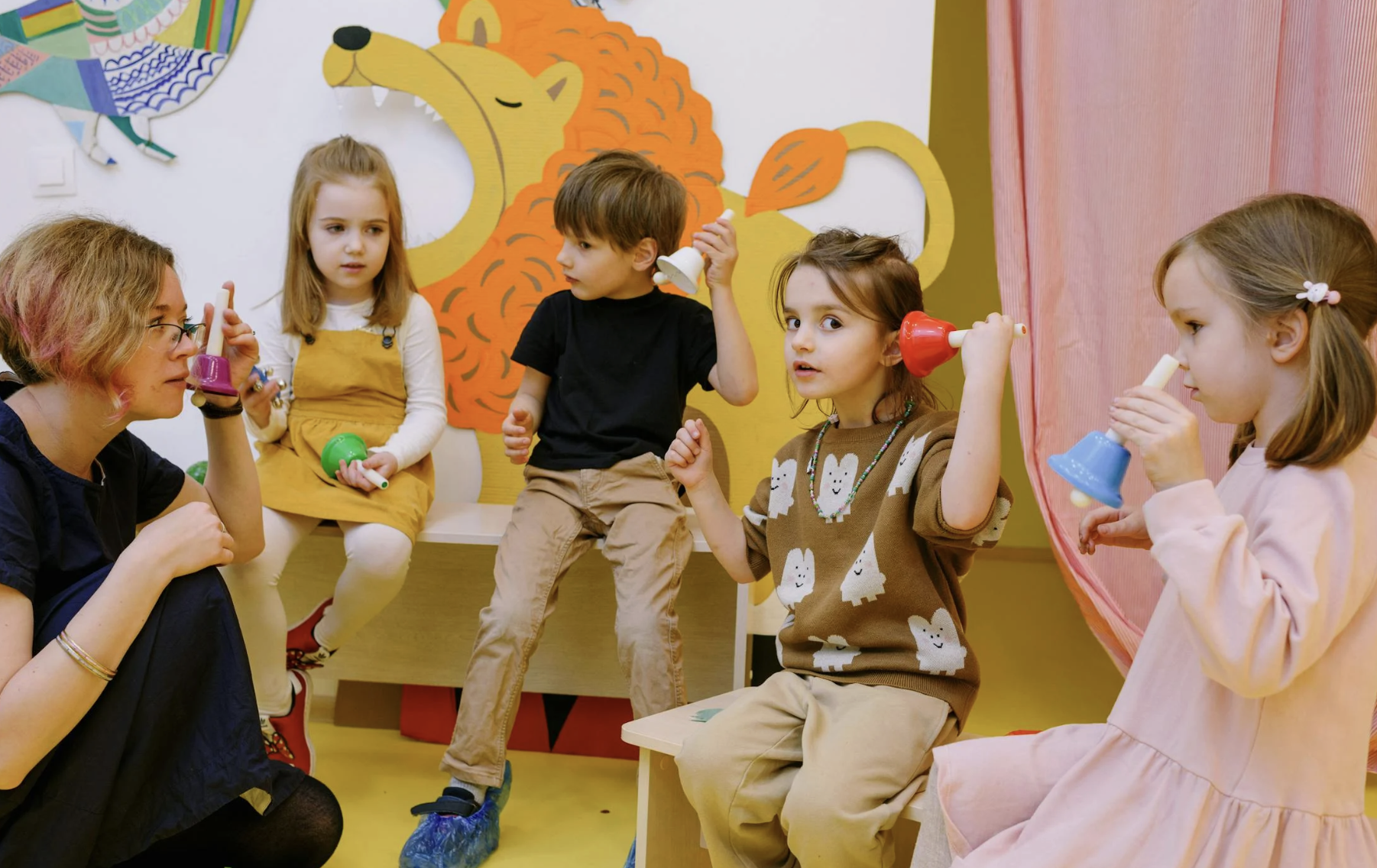
Supporting Social Engagement in Group Settings
Social engagement for autism is one of the most commonly targeted areas in school and community-focused ABA programs. Children learn to:
- Make and maintain eye contact appropriately
- Take turns in conversation and play
- Respond to peers who initiate interaction
- Navigate group activities with shifting roles
- Manage disappointment or lose gracefully
These skills do not emerge on their own for many children with autism. They require deliberate practice, clear feedback, and consistent reinforcement across multiple settings and people.
ABA therapists track data on each of these skills and adjust their approach based on what the numbers show. That data-driven process is what separates ABA from less structured social skills programs.
What to Expect When You Get Started with Acclimate ABA
Whether you are in Salt Lake City or New Hampshire, the process at Acclimate ABA moves through clear stages:
- Initial contact by phone or through the website
- Insurance verification to confirm what is covered
- Comprehensive behavior assessment to identify strengths and priorities
- Individualized treatment plan developed with your family
- Therapy begins in the home, school, or community
- Ongoing progress tracking with regular updates and adjustments
Parents stay informed and involved throughout. That collaboration is central to how Acclimate ABA works.
 FAQs
FAQs
 FAQs
FAQs- At what age should we start ABA focused on school readiness?
Earlier is generally better, but ABA is effective across a wide age range. If your child is approaching preschool or kindergarten age and showing challenges with transitions or social settings, now is a good time to start.
- Can ABA therapy happen at my child’s school?
Yes. Both the Salt Lake City and New Hampshire programs include school-based support. Therapists can work directly in the classroom environment and coordinate with teachers.
- How does ABA help with community outings specifically?
ABA therapists use graduated exposure and behavioral rehearsal to prepare children for specific outings before they happen. Skills are practiced at home first, then transferred into community settings with support.
- What if my child has never been in therapy before?
No prior therapy experience is needed. The Acclimate ABA team starts with a thorough assessment and builds a plan from where your child is right now.
- How long before we see progress?
Timelines vary depending on the child and the goals. Many families notice meaningful changes within the first few months of consistent therapy, particularly in daily routines and familiar environments.
Ready to Start?
If your child finds school or community settings overwhelming, ABA therapy can build the skills and confidence they need to navigate them more successfully. We serve families in Salt Lake City, Utah, and across New Hampshire with evidence-based programs that meet children where they are.
Contact the team today to get started. Call (801) 843-5882 or email hello@acclimateaba.com.

