


Key Points:
- ABA parent coaching helps families reinforce skills at home, so progress continues beyond therapy sessions.
- Consistency between parents and therapists improves behavior, communication, and daily routines.
- Acclimate ABA supports caregivers with practical strategies for everyday use.

It is a question most parents do not ask out loud, but many think about. Your child has a great session. The therapist packs up and heads out. And then an hour later, the same meltdown happens. The same refusal. The same struggle.
Therapy hours are limited. Home hours are not.
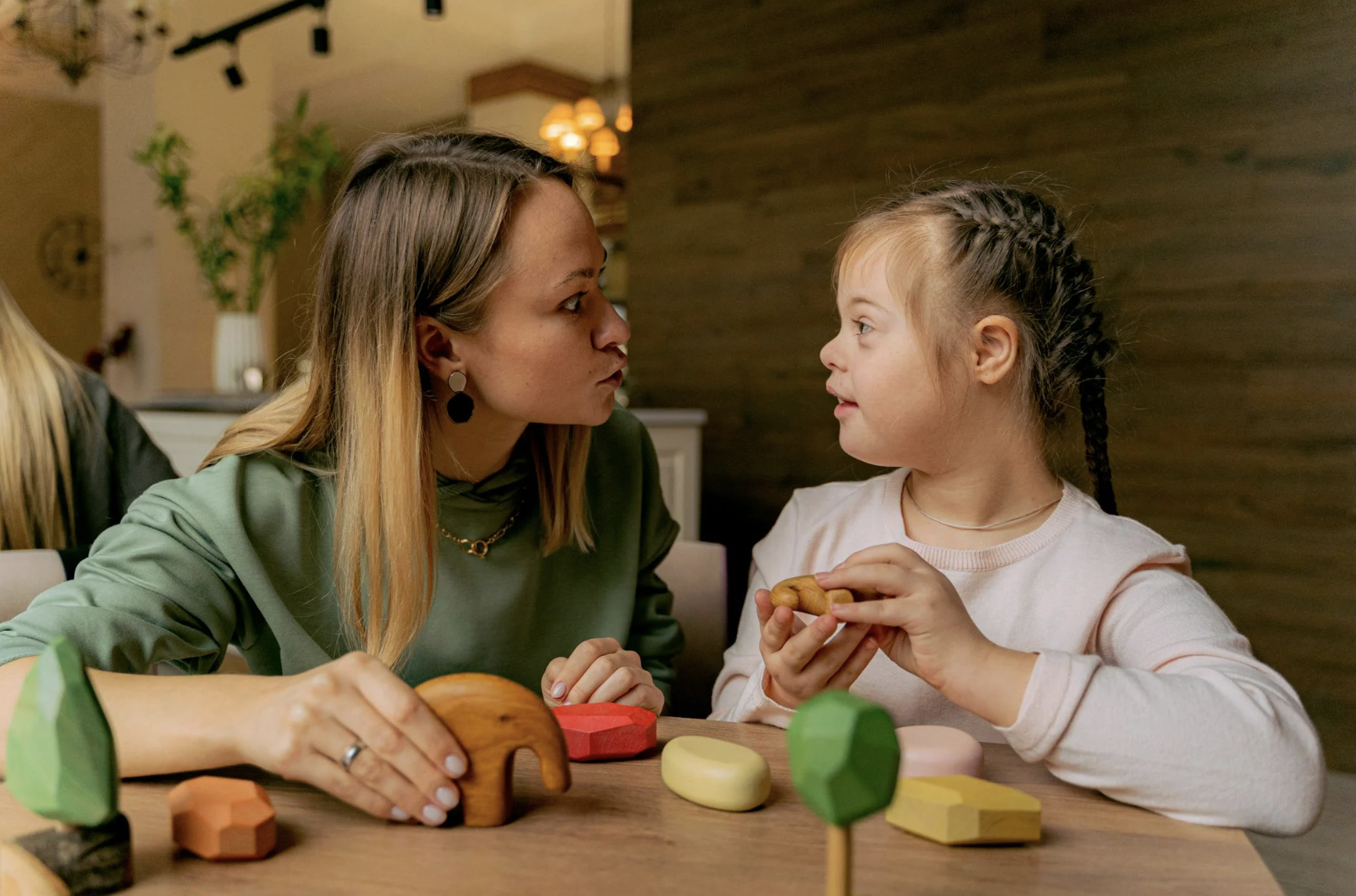
What happens between sessions matters just as much as what happens during them. Parents are not bystanders in our ABA process. You are the most consistent presence in your child’s life, and that gives you more influence over their progress than any therapist can have in a few hours a week.
Our ABA parent coaching is built on exactly that. Your child’s success starts with you. That is why a strong family ABA program equips you with the tools, knowledge, and confidence to support their growth every day, not just during scheduled sessions.
Why Home Reinforcement Matters
ABA therapy works through repetition and consistency. A skill practiced twice a week in a session but never reinforced at home takes far longer to become automatic. The same skill practiced across multiple settings, multiple people, and multiple times each day sticks much faster.
Home reinforcement ABA is not about parents becoming therapists. It is about understanding the basic principles well enough to support your child in everyday moments. Mealtimes, morning routines, getting dressed, transitioning between activities. These are all opportunities to reinforce what your child is learning.
When parents and therapists use consistent language, consistent expectations, and consistent responses, children with autism make faster, more durable progress. That consistency is the variable that changes outcomes.
Practical ABA Strategies Parents Are Taught to Use Every Day
You do not need a clinical background to reinforce ABA at home. Here are strategies that caregiver guidance ABA programs teach parents to use:
- First-then boards: Clearly communicate what comes next. “First shoes, then tablet.” This reduces resistance to non-preferred tasks by connecting them to something motivating.
- Planned ignoring: When a behavior is maintained by attention, withdrawing that attention consistently reduces it over time. This is harder than it sounds and takes coaching to apply correctly.
- Catch them being good: Notice and name positive behaviors the moment they happen. Specific praise is more powerful than general praise. “I love how you waited quietly” lands differently than “good job.”
- Consistent reinforcement: Use the same reward systems your child’s ABA therapist uses at home. Inconsistency between settings confuses children and slows generalization.
- Visual schedules: Post a simple visual routine for predictable parts of the day. Morning routines, after-school sequences, and bedtime steps all become less stressful when children can see what is coming.
For example, a seven-year-old might struggle with transitions, particularly moving from screen time to dinner.
His ABA therapist uses a visual timer during sessions and gives him a two-minute warning before transitioning. His parents learned the same system through parent coaching sessions.
Within two weeks of applying it consistently at home, his meltdowns at dinner transitioned from nightly to a few times a week. A month later, they are rare. The strategy did not change. The consistency across settings did.
Parent Support for Siblings in a Home with ABA
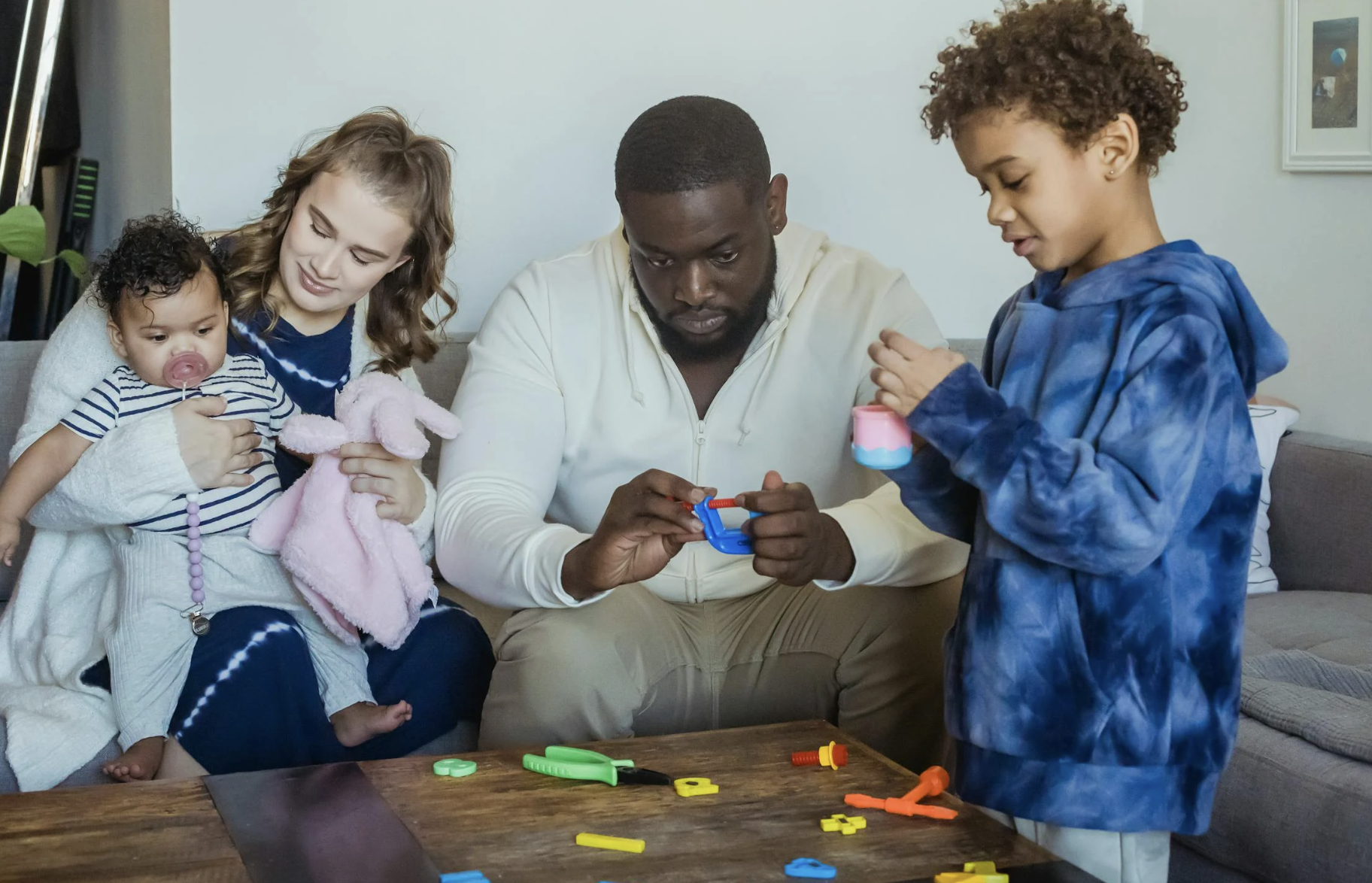
Family dynamics shift when one child receives intensive therapy. Siblings notice. They sometimes feel overlooked, confused about why their brother or sister gets so much attention, or unsure how to interact without triggering a difficult moment.
Sibling support for autism is a component that strong in-home therapy support programs address directly. Siblings can be coached on age-appropriate ways to engage, how to respond when a behavior occurs, and how to be part of the reinforcement process rather than accidentally undermining it.
Some specific ways to support siblings:
- Explain therapy in simple, honest terms appropriate to their age
- Create protected one-on-one time so siblings do not feel secondary
- Teach siblings how to use prompts or reinforcement in play settings
- Acknowledge when siblings handle a hard moment well
- Include siblings in celebrating their brother or sister’s milestones
When the whole family understands the approach, the home becomes a more consistent and calmer environment for everyone.
Managing Challenging Behaviors at Home
One of the most common requests in caregiver guidance ABA is help with behaviors that seem to happen at home. Aggression, self-injury, refusal, elopement. These behaviors are communicating something. ABA parent training helps caregivers identify the function of a behavior and respond in a way that does not accidentally reinforce it.
From managing challenging behaviors to celebrating milestones, parent training equips families with strategies that make a measurable difference at home, in school, and in the community. That is not a small thing. That is the difference between feeling helpless and feeling equipped.
Want to Start Parent Training? Here’s What Our Process Looks Like
Whether you are in Salt Lake City or New Hampshire, starting with Acclimate ABA follows these stages:
- Reach out today to get started. Call (801) 843-5882 or email hello@acclimateaba.com.
- Insurance verification to confirm coverage
- Comprehensive behavior assessment to understand your child’s needs
- Individualized treatment plan built with family input
- Therapy and parent coaching begin in the home, school, or community
- Ongoing progress monitoring with regular updates and plan adjustments
Parents are not handed a plan and left to figure it out. The Acclimate ABA team walks alongside families through every stage.
FAQs
- Do I need to be present during ABA sessions to benefit from parent coaching?
Being present helps, but it is not always required for every session. Parent coaching is typically built into regular check-ins and dedicated training time so caregivers receive consistent guidance.
- What if my child’s behaviors are worse at home than in therapy?
That is very common and is exactly what parent coaching addresses. Therapists help identify why the gap exists and give caregivers targeted strategies to close it.
- Can grandparents or other caregivers be included in training?
Yes. Anyone who regularly cares for your child benefits from understanding the approach. Acclimate ABA welcomes extended family involvement where it supports consistency.
- How do I know if what I am doing at home is helping or hurting progress?
Your child’s ABA therapist tracks data across sessions and checks in with families regularly. If something is not working, the plan adjusts. You will not be guessing.
- Is parent training available for families new to ABA?
Absolutely. Whether your child has been in therapy for years or this is your first time exploring ABA therapy, the team meets you where you are and builds from there.

